Manon Lescaut
opera in two acts
music by Giacomo Puccini
 performed in Italian (with Russian surtitles)
Cast




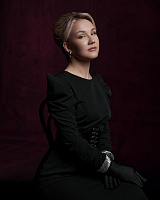
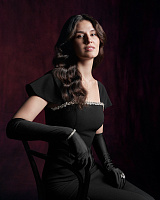


The opera Manon Lescaut is considered to be one of Giacomo Puccini’s finest works.
Originally staged in Turin in 1893, it was the composer’s first undeniable triumph. The libretto is based on the novel L’histoire du Chevalier des Grieux et de Manon Lescaut by the Abbé Prévost, one of the first ever psychological novels, which was very popular throughout Europe.
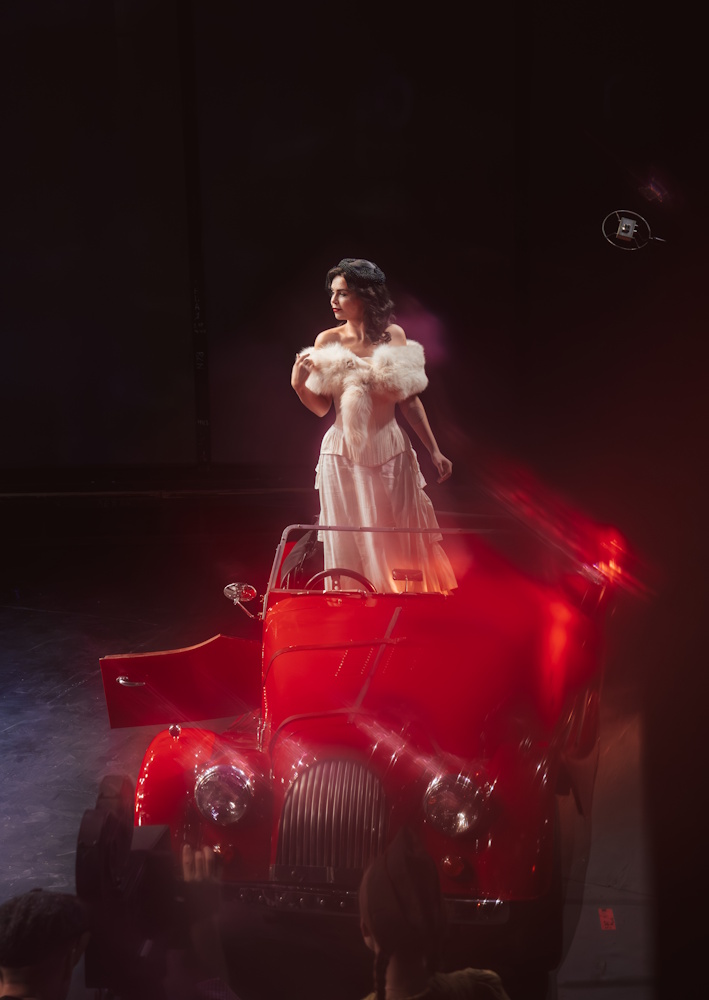
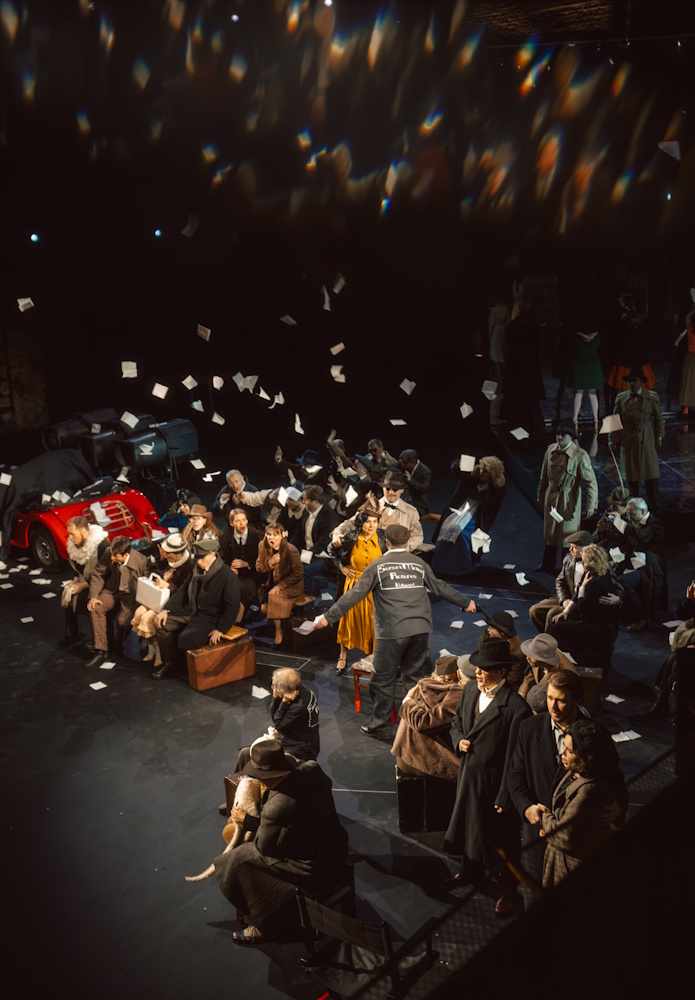
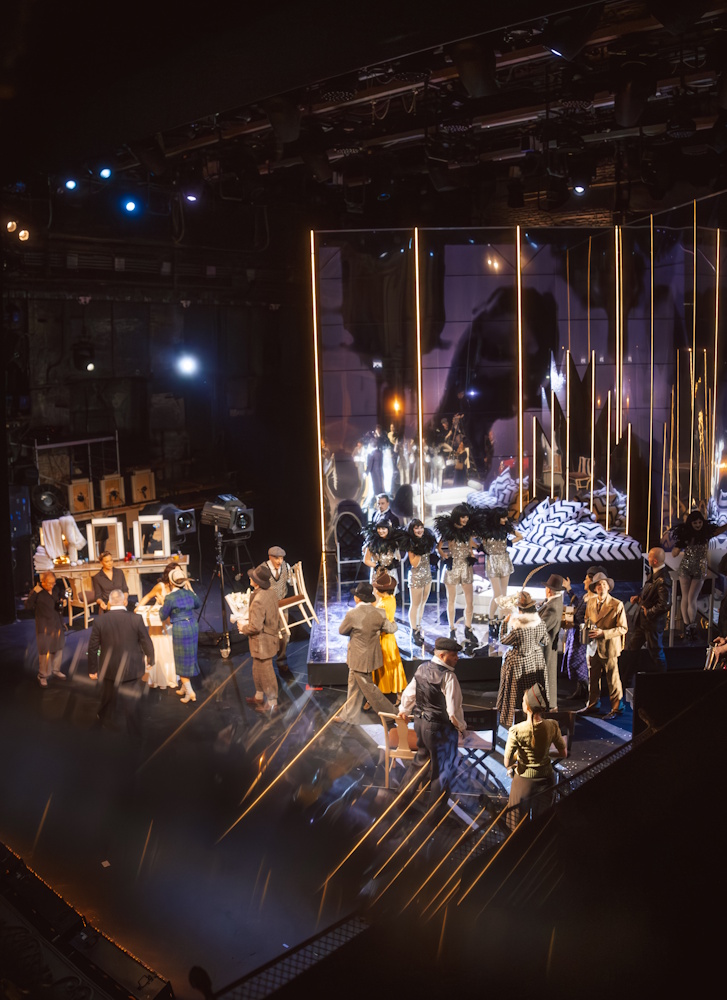
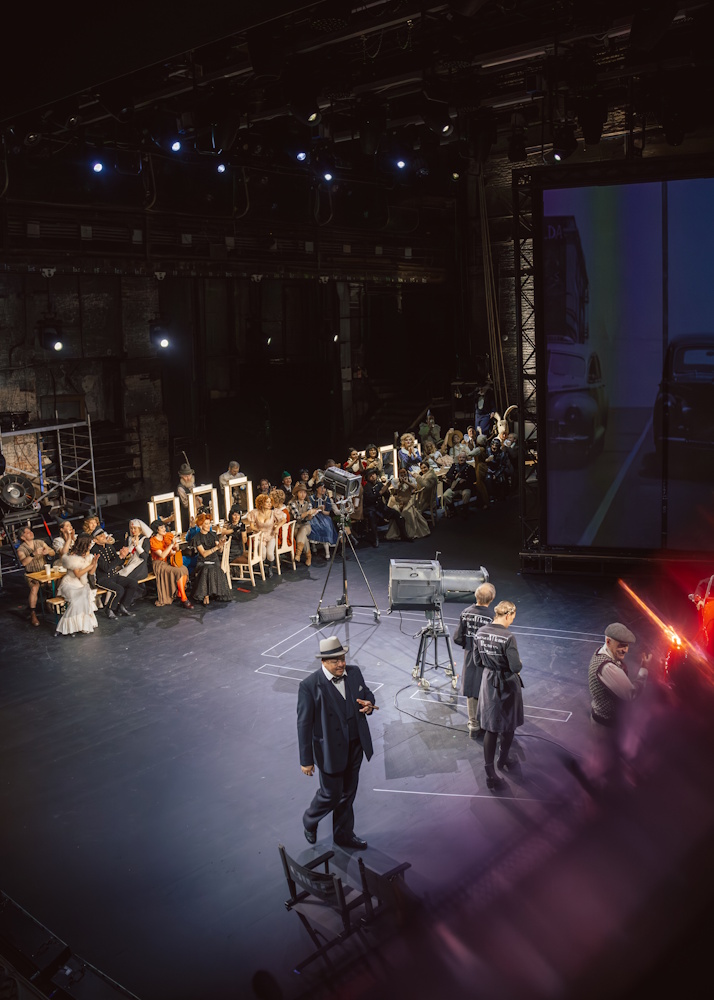
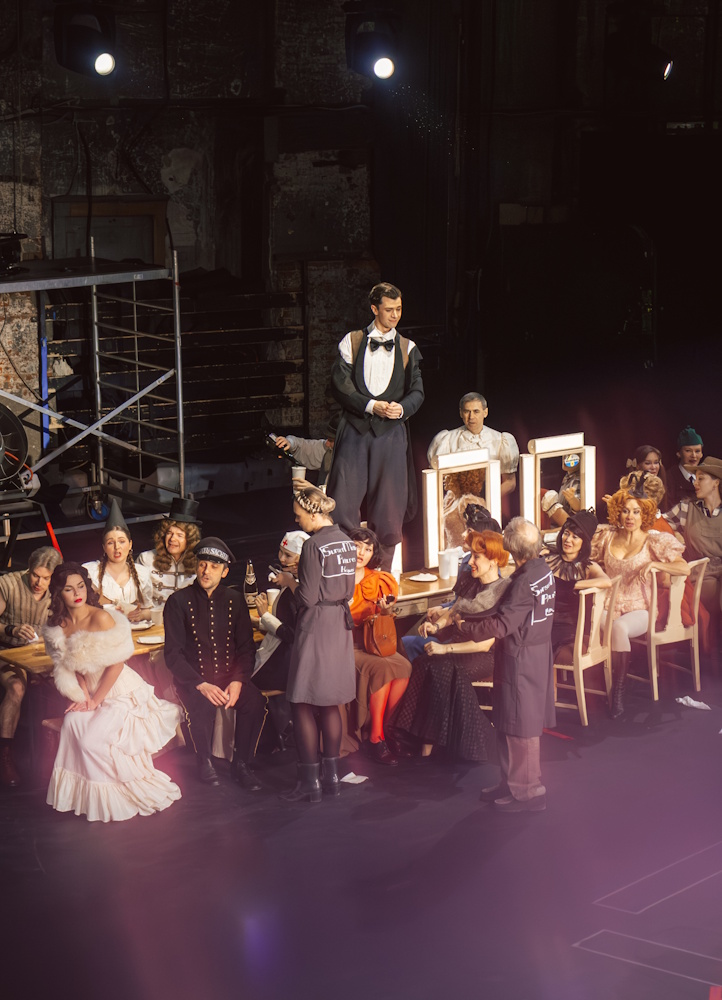
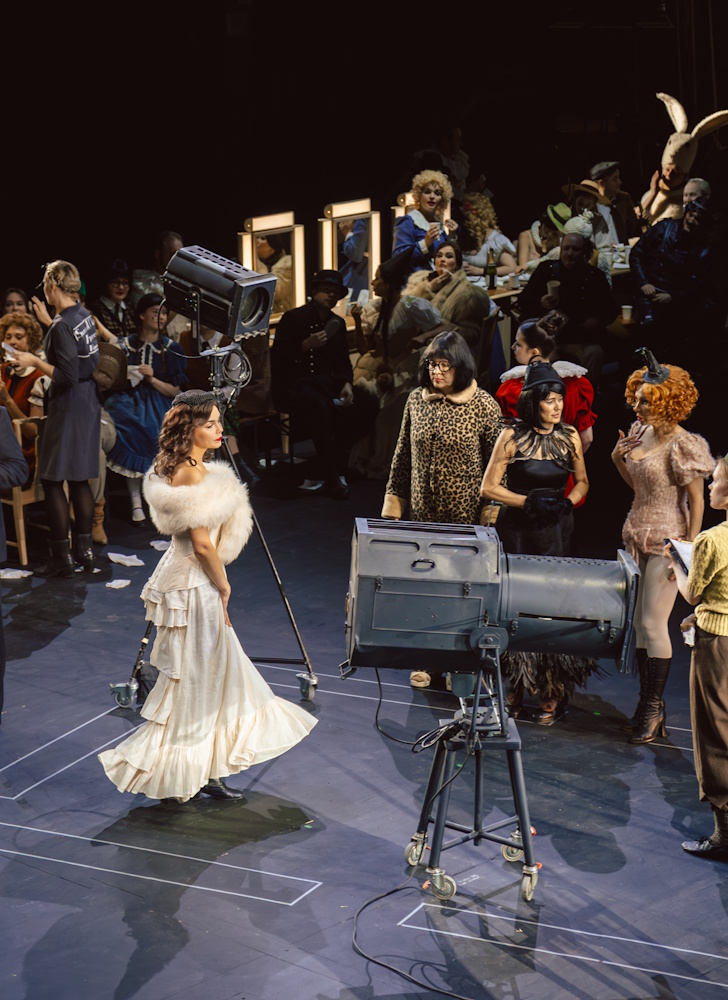
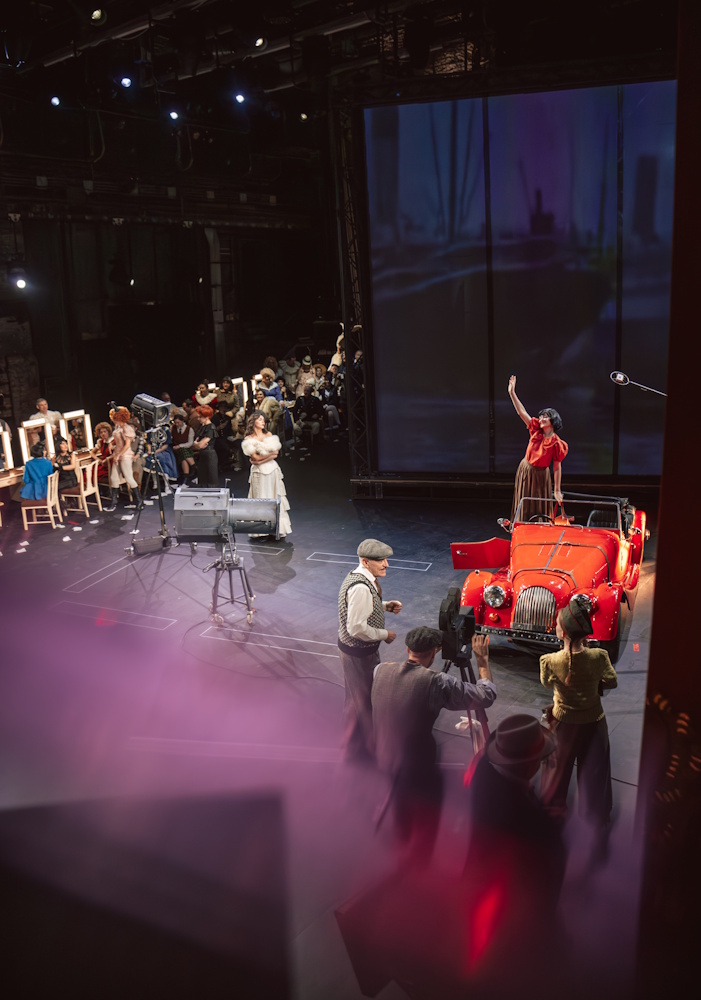
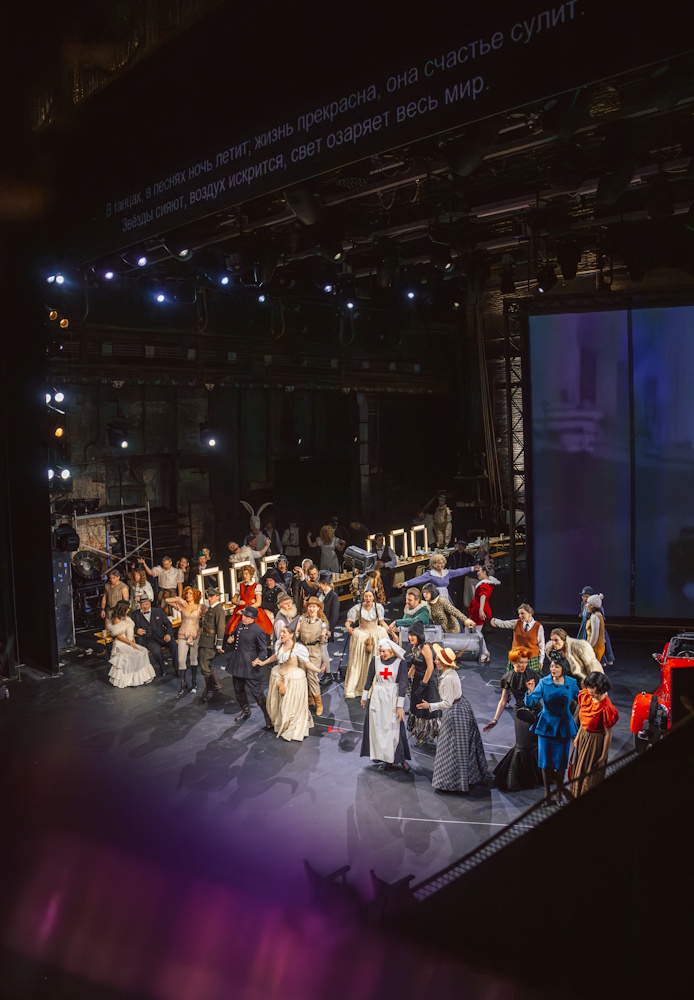
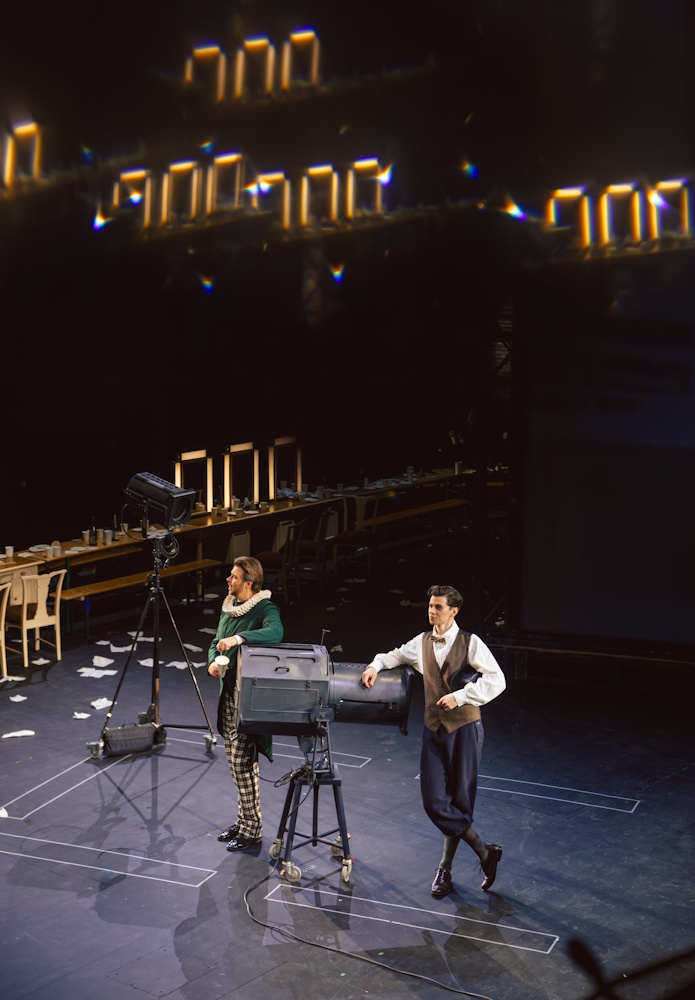
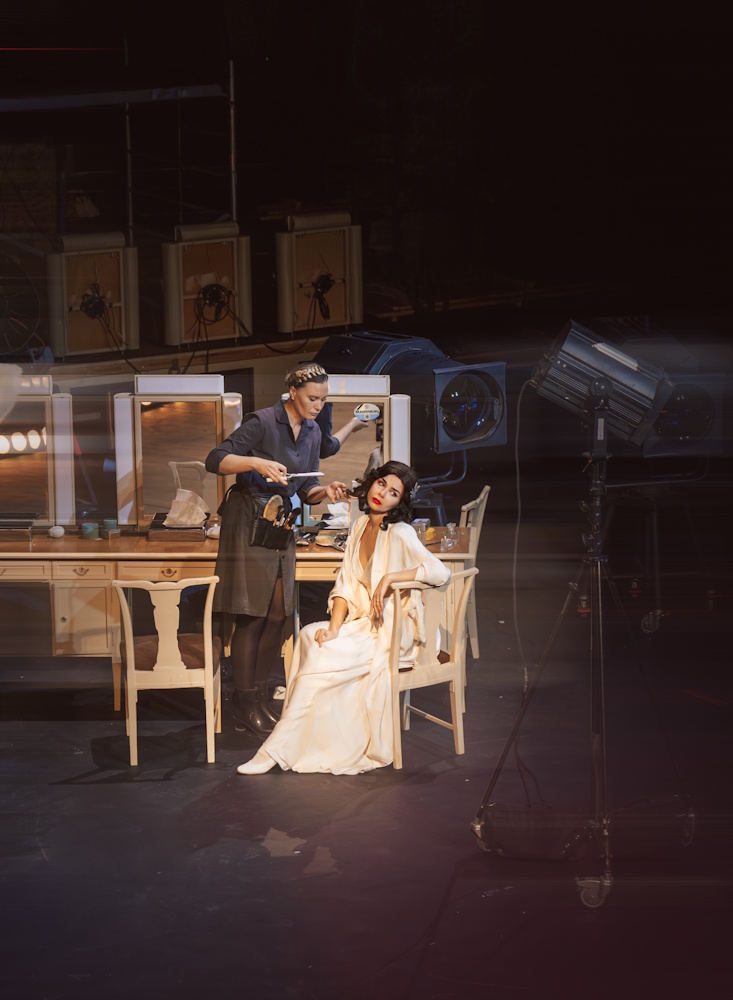
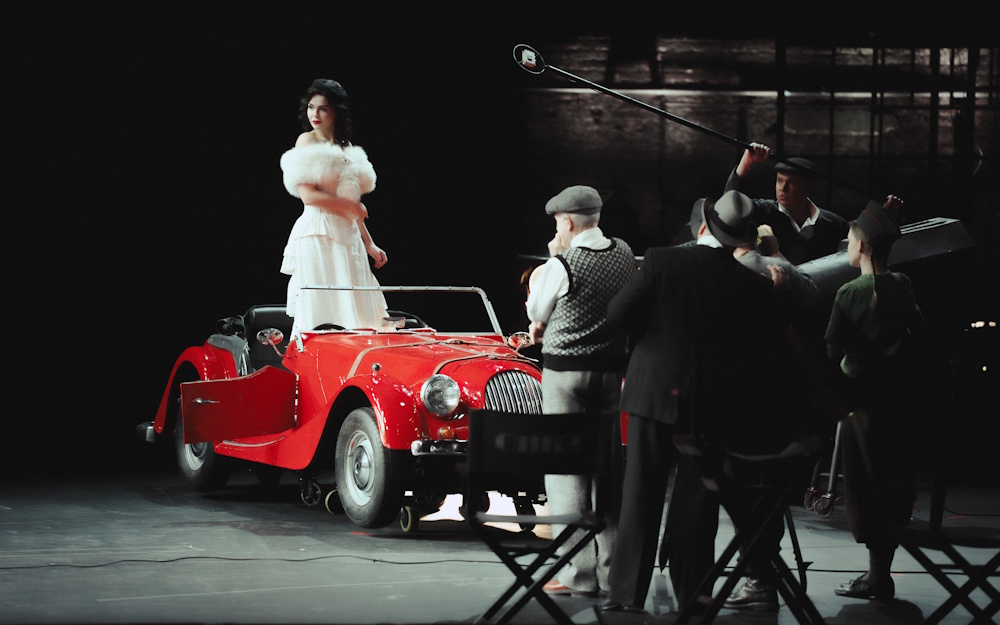
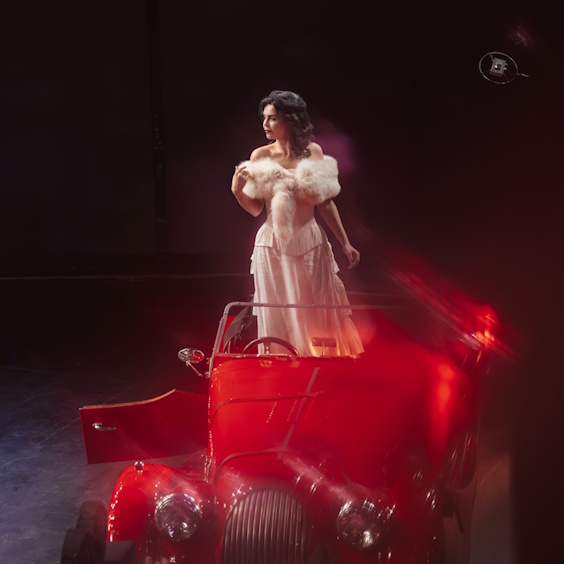
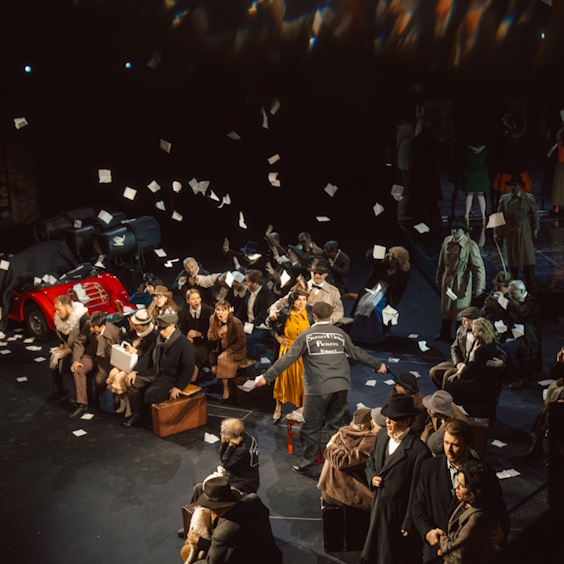
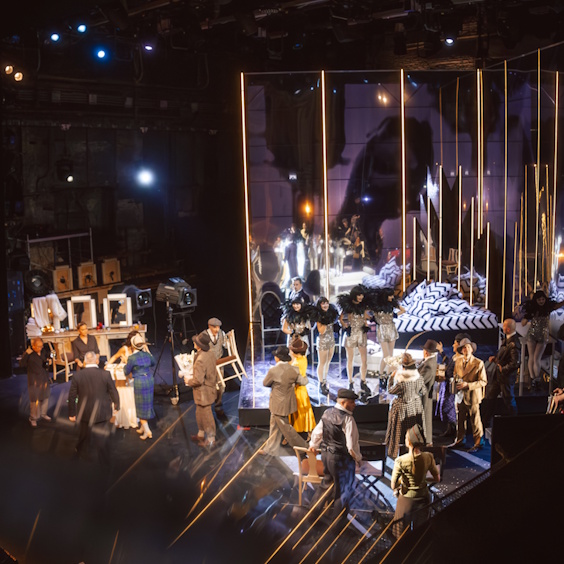
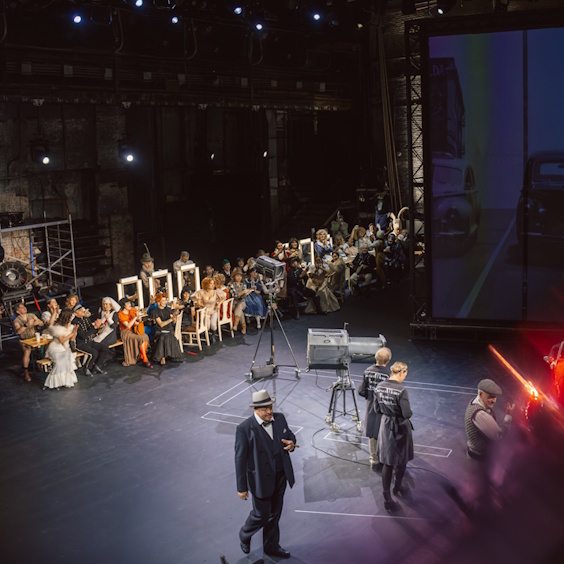
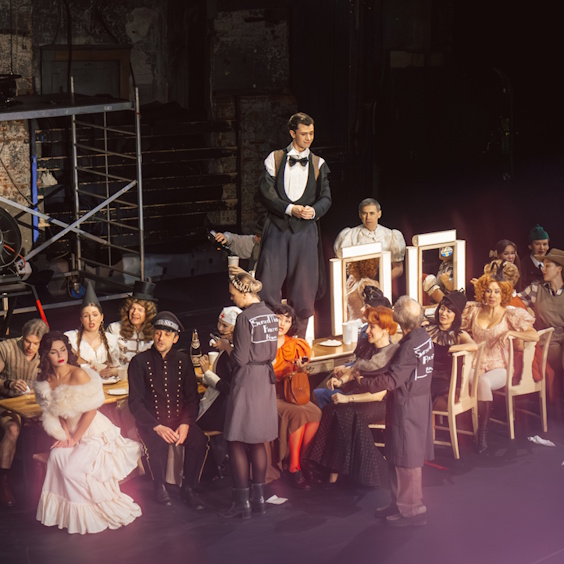
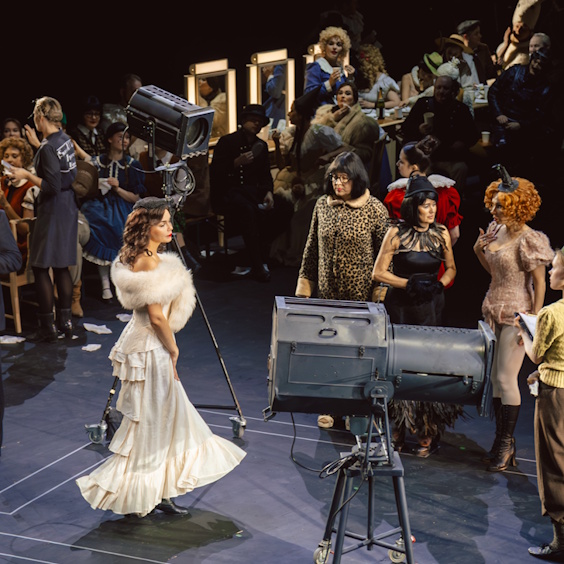
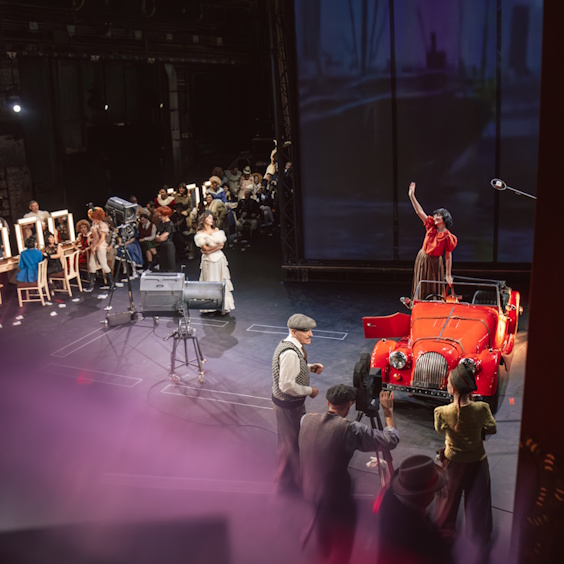
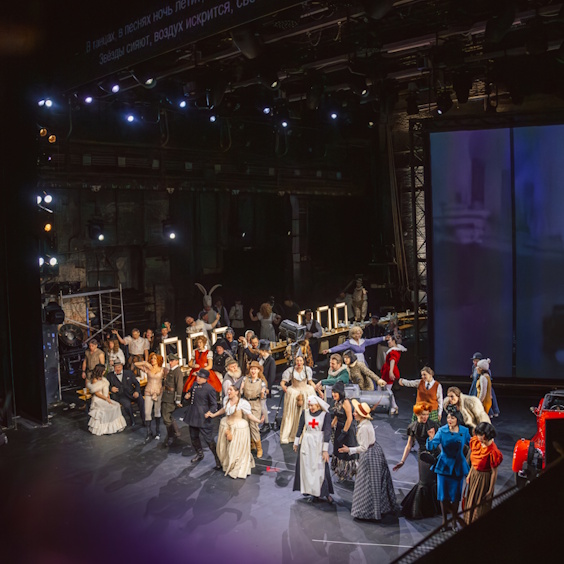
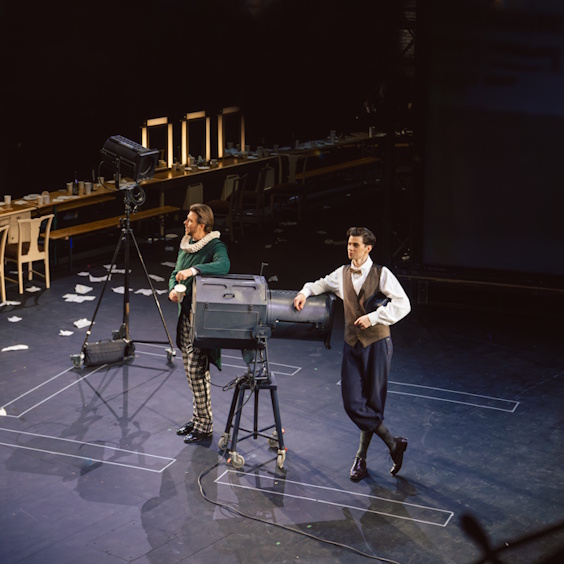
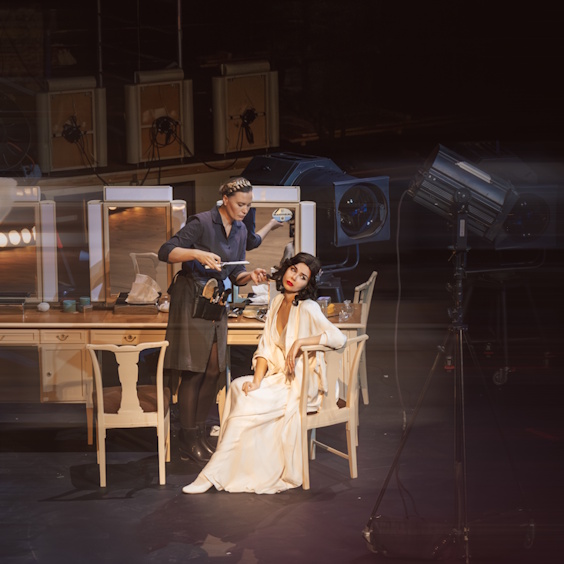
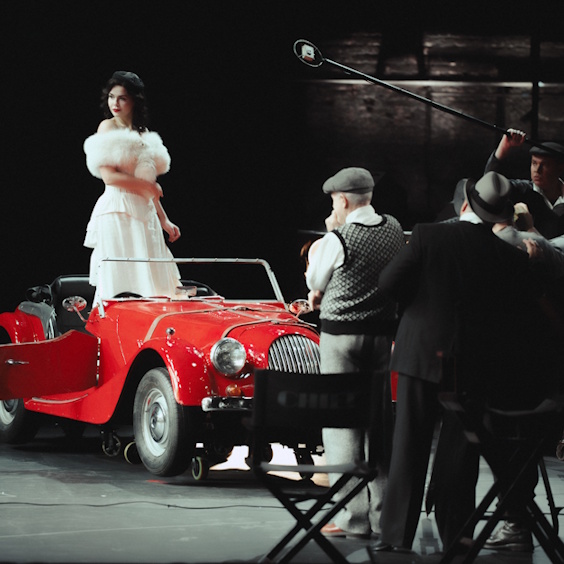
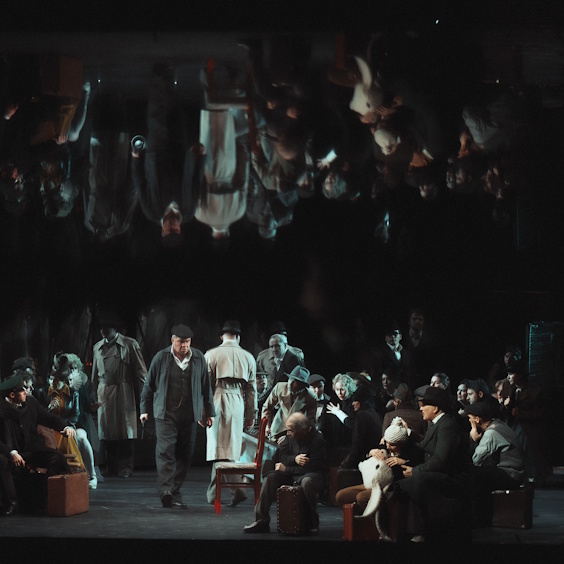
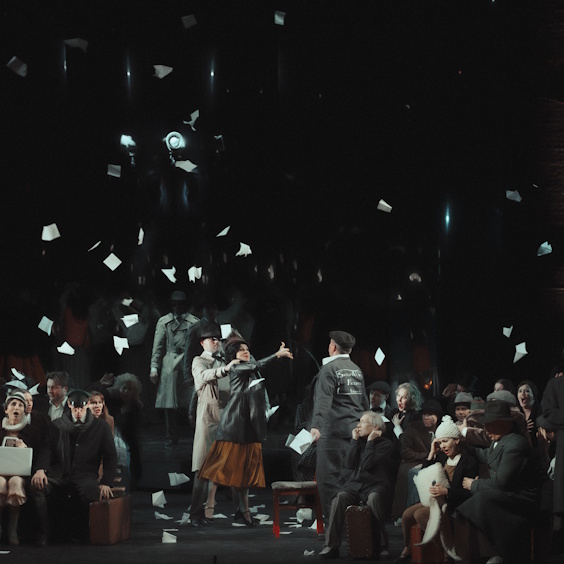
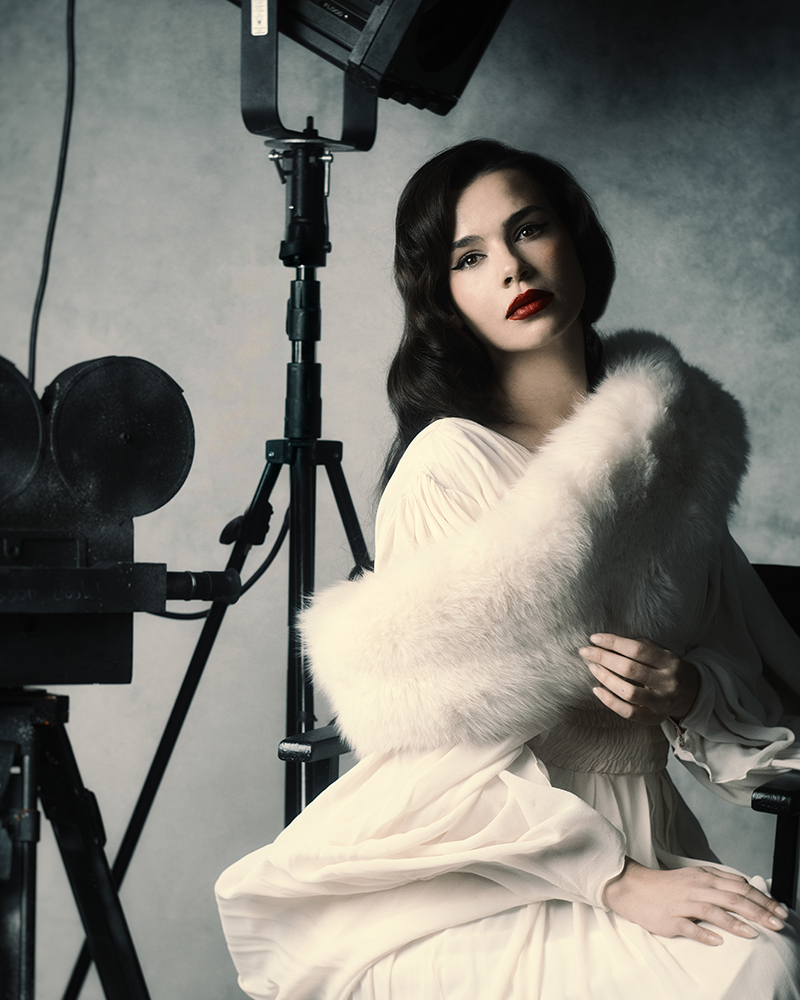
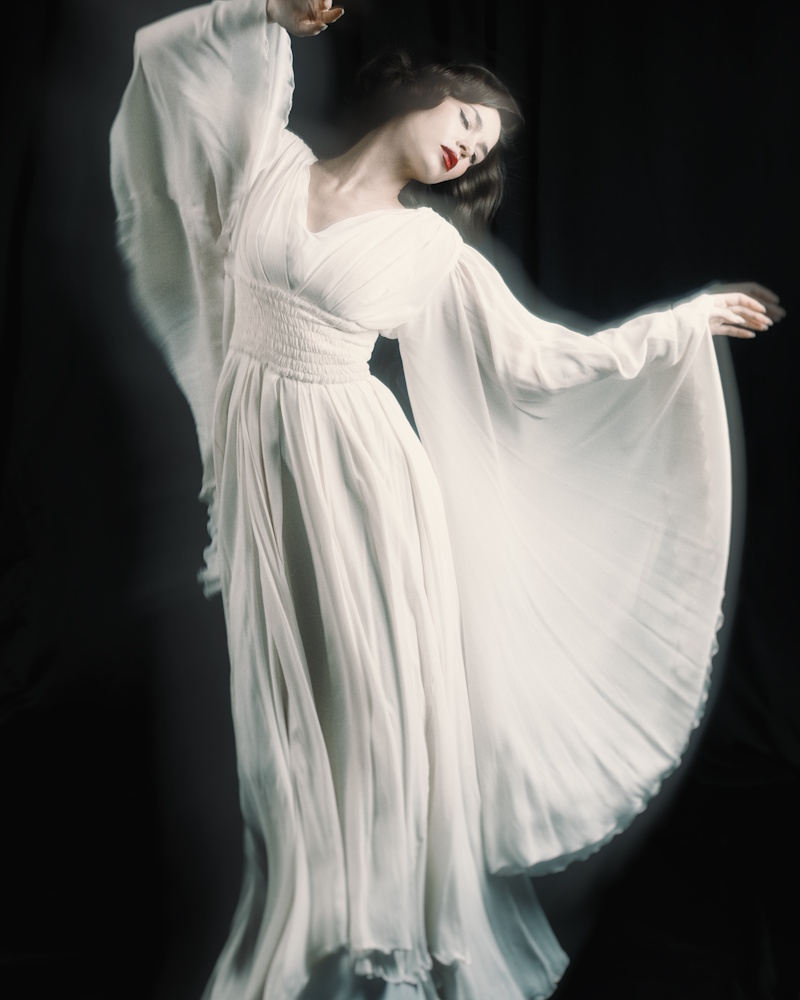
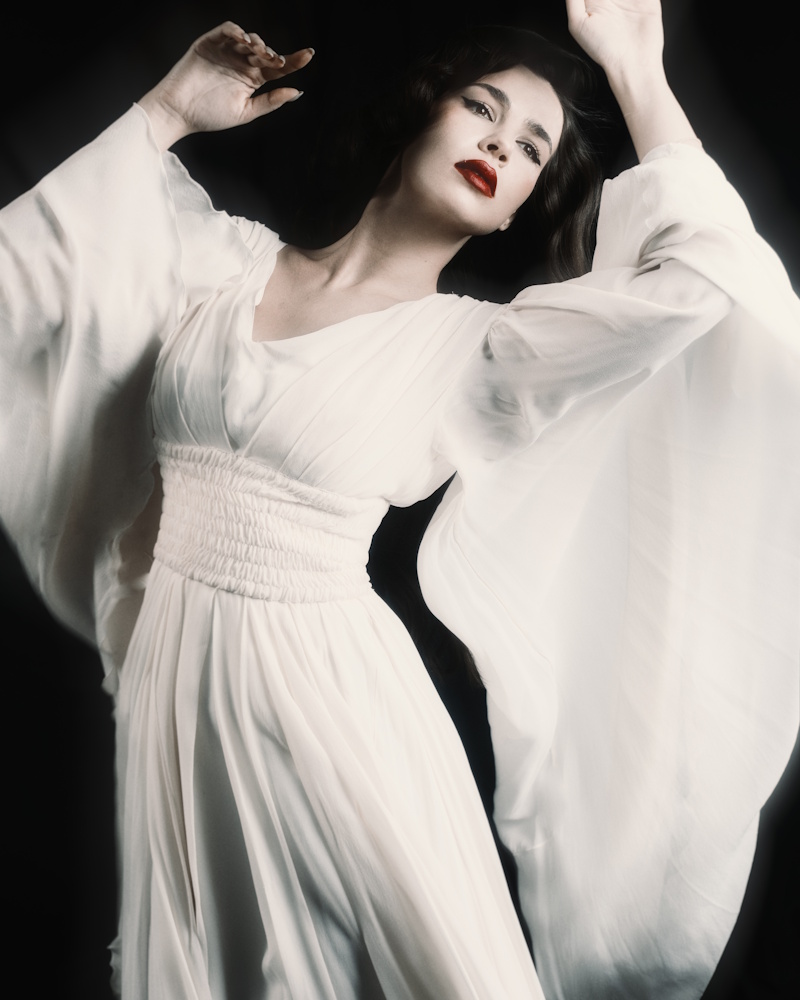
The creators of the Mikhailovsky Theatre production, stage director Jürgen Flimm and stage designer George Tsypin have changed the place and the period, setting the events in the early twentieth century. In their vivid adaptation, the heroine is a budding movie star and her lover is also an actor, whilst her wealthy admirer is a Hollywood producer.
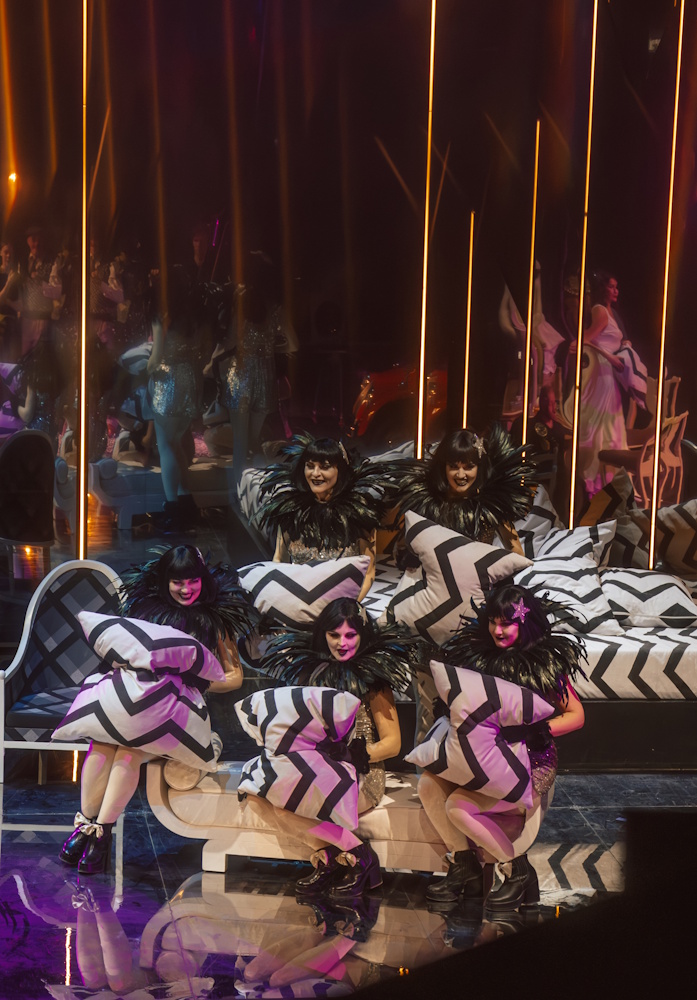
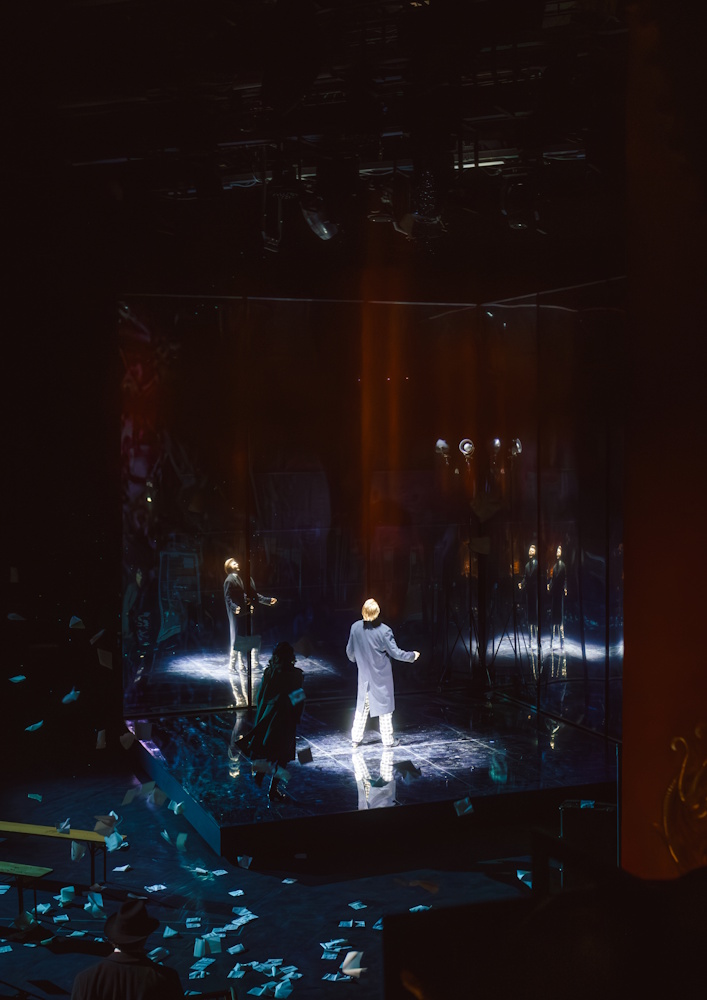
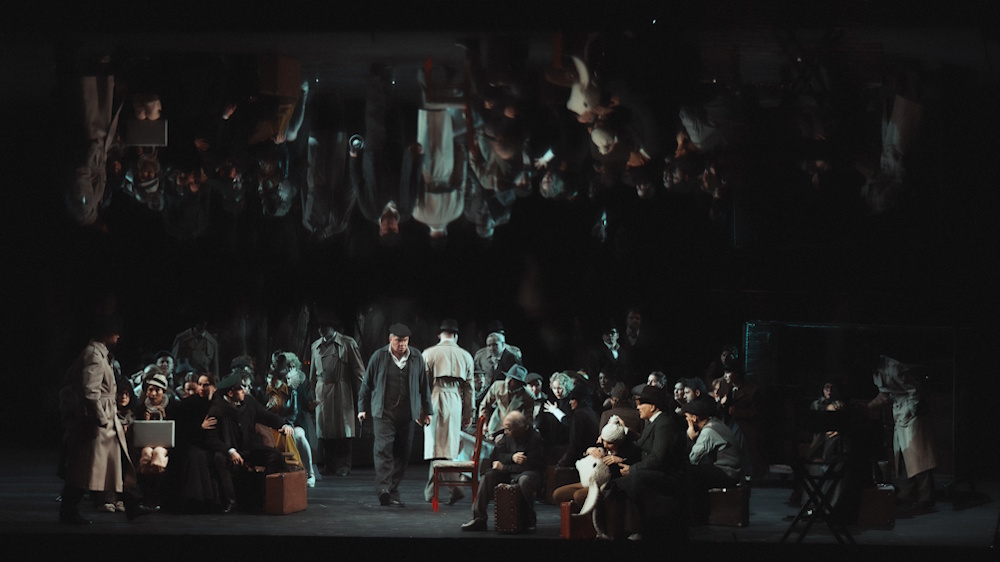
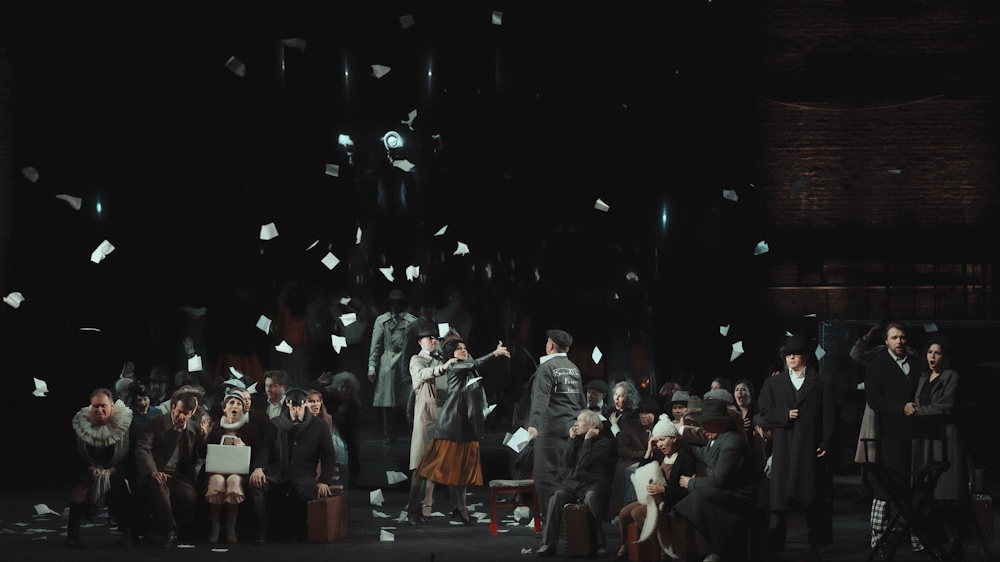
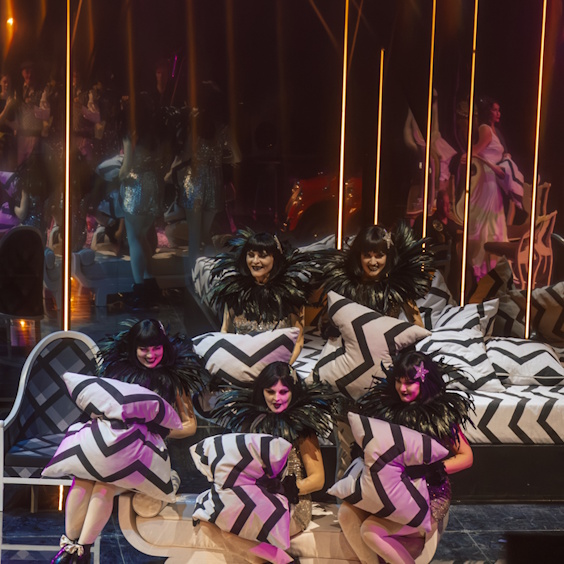
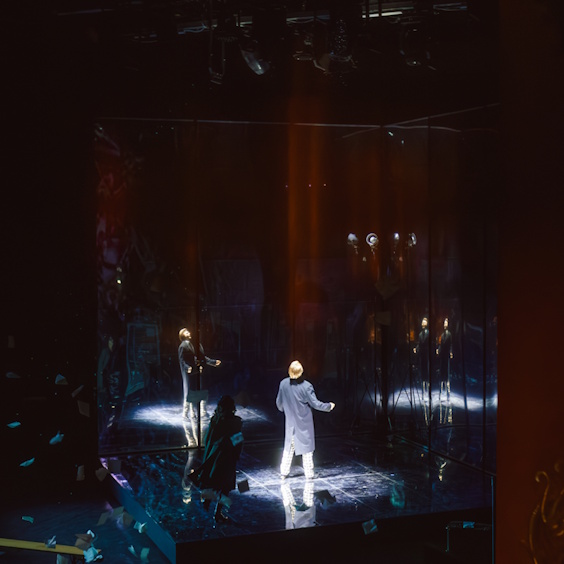
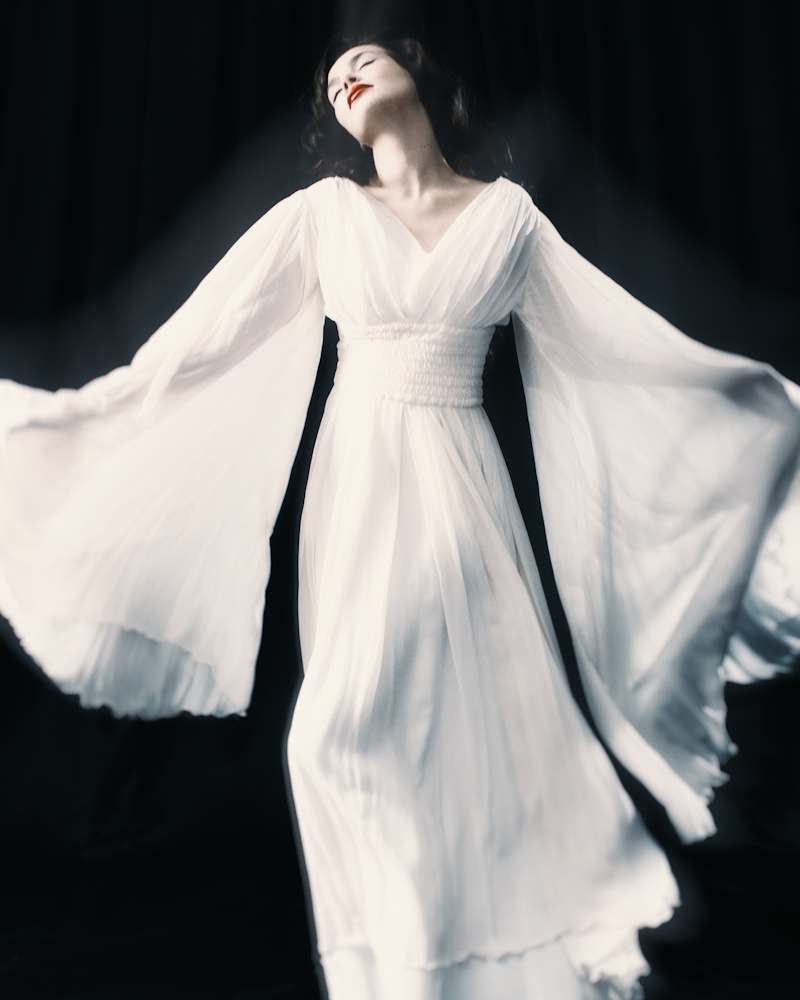
The set design resembles film noir in style with its characteristic lighting contrasts and dramatic shadows. The striking costumes are very much in keeping with the cinematography of the 1930s and 1940s. The emotional content is unchanged, succinctly described by the director as: “One woman, two men — catastrophic consequences”.
Act one
The Hollywood producer Géronte de Ravoir is holding auditions for actresses at a film studio. He is captivated by the young actress Manon Lescaut. A young extra, René des Grieux, also struck by her beauty, asks Manon for a secret meeting. Manon’s brother arrives, and Géronte pays him to help persuade Manon to become his mistress. Des Grieux learns of their collusion. He declares his love to Manon and urges her to run away with him immediately. Lescaut reassures Géronte: the poor des Grieux is incapable of providing the luxury she loves and the fame she seeks. The prediction comes true — she abandons des Grieux and chooses Géronte.
Manon lives under Géronte’s patronage. Her brother visits her at the film studio, and she asks him about des Grieux: she suffers without sincere love. Lescaut decides to inform des Grieux that Manon has not forgotten him. Géronte hosts a reception in her honor. When the guests depart and Manon is left alone, des Grieux appears. Mutual reproaches give way to declarations of love. Passion overwhelms them, and they fail to notice Géronte’s return. Offended by the girl’s betrayal, he leaves in a fury. Des Grieux begs Manon to abandon the old man and return to him. Manon agrees, but she is unwilling to part with her jewels. She takes too long to pack; Géronte returns with guards and orders Manon seized as a thief. Des Grieux tries to intervene, but Lescaut restrains him.
Act two
The film studio went bankrupt, and Manon must leave the place. She bids farewell to des Grieux. Lescaut bribes the guards to free her. The escape fails, and Manon is forced to await her fate. Under guard, women who are also to leave the country are brought out. A roll call begins, accompanied by the shouts of the crowd; the women are roughly driven away. Unable to endure the sight, des Grieux makes one last attempt to stay alone with Manon.
Des Grieux and Manon find themselves at the film studio. It lies in desolation: there is neither food nor water, yet they cannot bring themselves to leave these walls or to relinquish the illusion that they are still actors. Manon’s fame has faded; Lescaut, with his last strength, plays along with sister, filming her as if she were still a movie star. Des Grieux leaves Manon to rest and goes in search of help. Manon fears loneliness and death, and when des Grieux returns, he holds her tightly so that they may spend their final moments together. She asks his forgiveness
and dies.
Premiere of the production: 22 October 2014
Premiere of the revival: 28 January 2026
Libretto by Marco Praga, Domenico Oliva, Luigi Illica and Giuseppe Giacosa after the novel L’histoire du chevalier des Grieux et de Manon Lescaut by the Abbé Prévost
- Musical Director of the productionMikhail Tatarnikov
- Stage DirectorJürgen Flimm
- Co-DirectorMara Kurotschka
- Stage Director of the revivalYulia Prokhorova
- Stage DesignerGeorge Tsypin
- Costume DesignerUrsula Kudrna
- Video DesignerRobert Pflanz
- Principal PianistNatalia Dudik