
22.03.2017
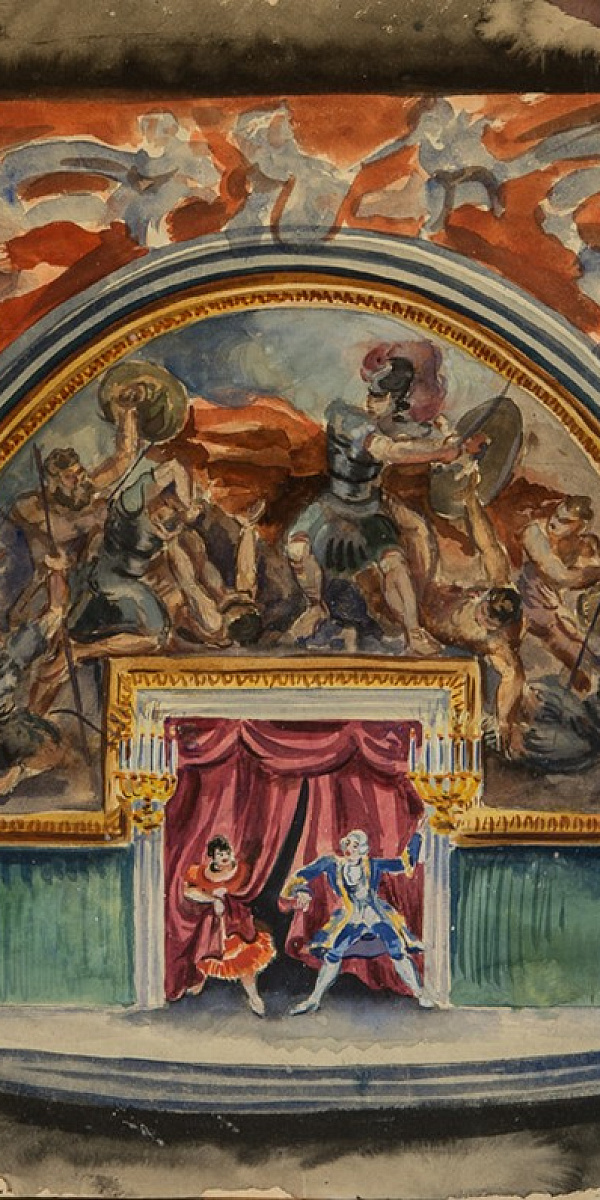
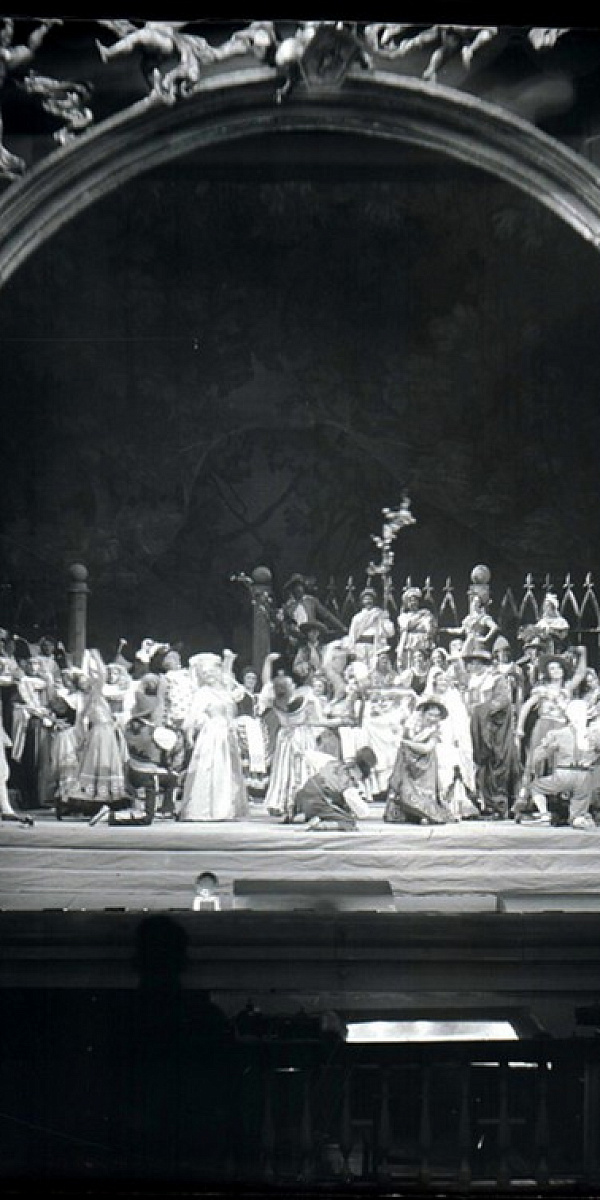
The Marriage of Figaro, 1936
This May, the theatre will present a premiere of the opera The Marriage of Figaro. This Mozart opera, based on a stage comedy by Beaumarchais, has been staged in our theatre only once, in 1936. The musical director of that production was Fritz Stiedry, a conductor of the Viennese School. Soviet newspapers reported that his work in Leningrad was a notable development in the musical life of the city and marked the start of “a new phase for the [Maly Opera Theatre] collective”.
Fritz Stiedry began his musical career at the University of Vienna, before being given a place in the Saxon State Opera on the recommendation of Gustav Mahler, and going on to become principal conductor of the Berlin Opera in 1914. When the National Socialist party came to power in Germany in 1933, Stiedry emigrated to the USSR and for several years was principal conductor of the Leningrad Philharmonic Orchestra. He was the first to conduct Shostakovich’s Piano Concerto No. 1 on 15 October 1933.
“A true Viennese, Stiedry has proven to be a sophisticated follower of Mozart, and in the Marriage of Figaro he finds himself entirely in his element,” wrote Worker and Theatre Magazine after the 1936 premiere. “Under his baton, the orchestra resounds in delicate, crystalline harmony. The sections of the ensemble seamlessly intertwine. The strings are surprisingly soft: light and agile in the figuration and the accompaniment, only in the melody, in the cantilena, is the instrument’s peculiar expressiveness given free rein. The woodwinds are perfectly balanced. Tonal variations are somewhat obscured by this evenness of sound. All the rough paintwork has been smoothed over. If you will permit the analogy, this is not a painting, but rather an engraving. Like an engraving, it comes to life, and the characters depicted in it begin to move.”
Over two seasons, Mozart’s opera was performed on our stage 32 times. “The theatre must be duly praised for approaching this most challenging and honoured of tasks with the utmost dedication, rightly choosing to prioritize the composer’s intentions rather than to interpret the music through Beaumarchais’ comedy,” noted the critics. “This approach demands a higher level of musical leadership; hence Fritz Stiedry’s invitation to take on the role not only of conductor, but also of instructor and organizer of the entire production. This decision has certainly proven to be a fortunate one.”
In 1937, when Stiedry was on holiday in Austria, he received a letter from Moscow stating that his contract would not be renewed unless he were to assume citizenship of the USSR. This prompted Stiedry’s emigration to the US with the support of Arnold Schoenberg. There, he founded the New Friends of Music Orchestra in New York, conducting works by Bach, Haydn, and Mozart. In 1946, he made his debut at the Metropolitan Opera, followed by 12 seasons of successful work and 250 opera performances, including those of Mozart.
Fritz Stiedry began his musical career at the University of Vienna, before being given a place in the Saxon State Opera on the recommendation of Gustav Mahler, and going on to become principal conductor of the Berlin Opera in 1914. When the National Socialist party came to power in Germany in 1933, Stiedry emigrated to the USSR and for several years was principal conductor of the Leningrad Philharmonic Orchestra. He was the first to conduct Shostakovich’s Piano Concerto No. 1 on 15 October 1933.
“A true Viennese, Stiedry has proven to be a sophisticated follower of Mozart, and in the Marriage of Figaro he finds himself entirely in his element,” wrote Worker and Theatre Magazine after the 1936 premiere. “Under his baton, the orchestra resounds in delicate, crystalline harmony. The sections of the ensemble seamlessly intertwine. The strings are surprisingly soft: light and agile in the figuration and the accompaniment, only in the melody, in the cantilena, is the instrument’s peculiar expressiveness given free rein. The woodwinds are perfectly balanced. Tonal variations are somewhat obscured by this evenness of sound. All the rough paintwork has been smoothed over. If you will permit the analogy, this is not a painting, but rather an engraving. Like an engraving, it comes to life, and the characters depicted in it begin to move.”
Over two seasons, Mozart’s opera was performed on our stage 32 times. “The theatre must be duly praised for approaching this most challenging and honoured of tasks with the utmost dedication, rightly choosing to prioritize the composer’s intentions rather than to interpret the music through Beaumarchais’ comedy,” noted the critics. “This approach demands a higher level of musical leadership; hence Fritz Stiedry’s invitation to take on the role not only of conductor, but also of instructor and organizer of the entire production. This decision has certainly proven to be a fortunate one.”
In 1937, when Stiedry was on holiday in Austria, he received a letter from Moscow stating that his contract would not be renewed unless he were to assume citizenship of the USSR. This prompted Stiedry’s emigration to the US with the support of Arnold Schoenberg. There, he founded the New Friends of Music Orchestra in New York, conducting works by Bach, Haydn, and Mozart. In 1946, he made his debut at the Metropolitan Opera, followed by 12 seasons of successful work and 250 opera performances, including those of Mozart.
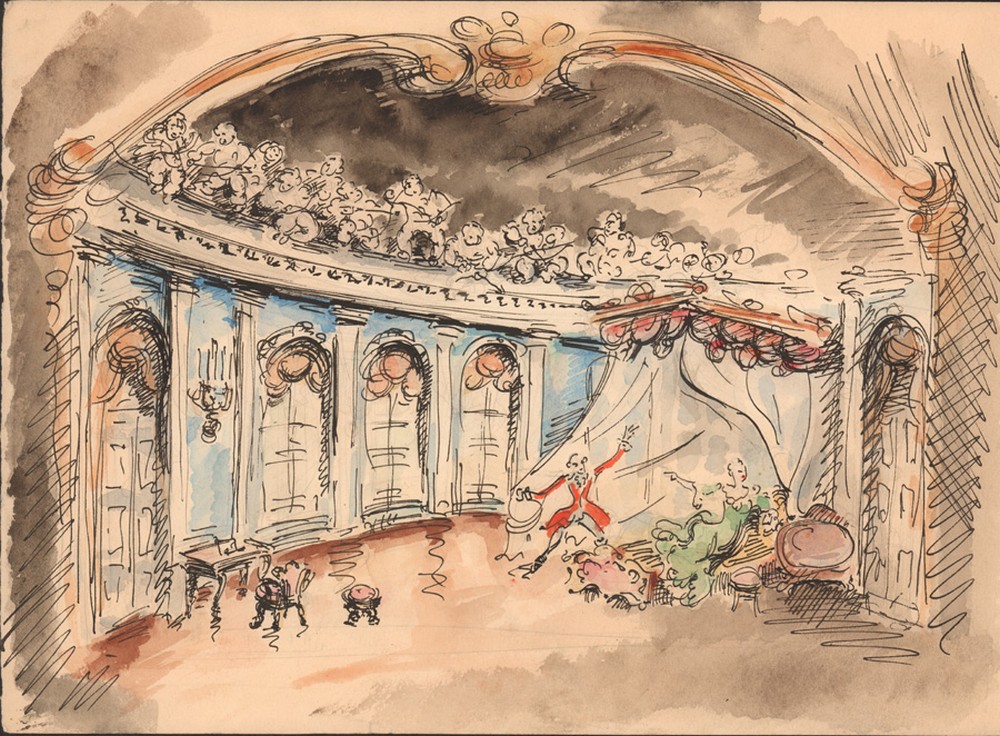
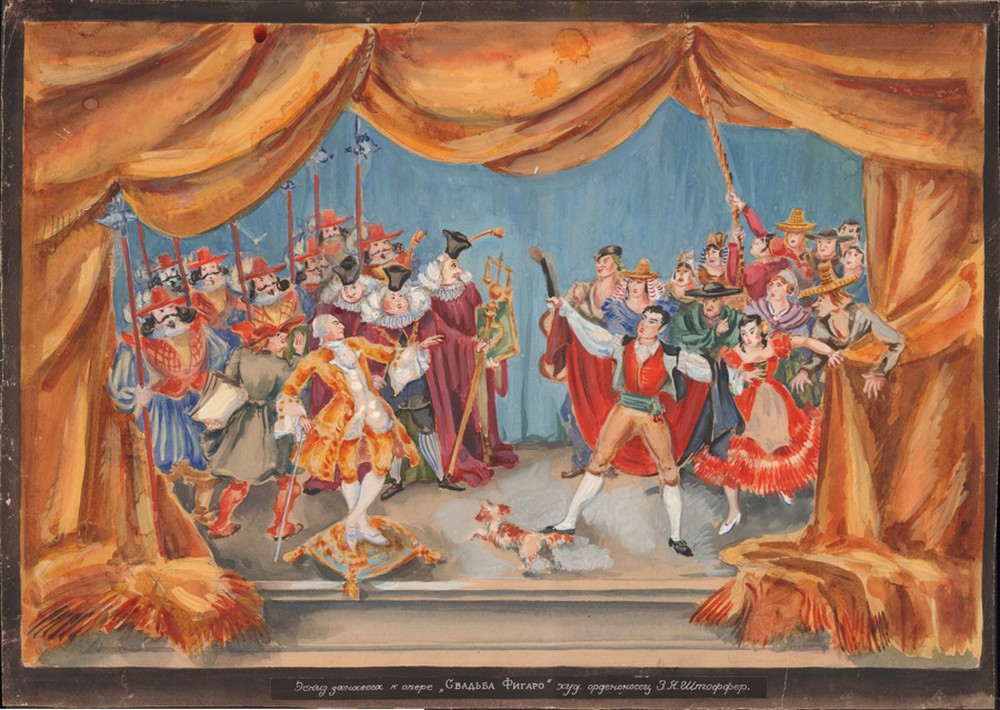
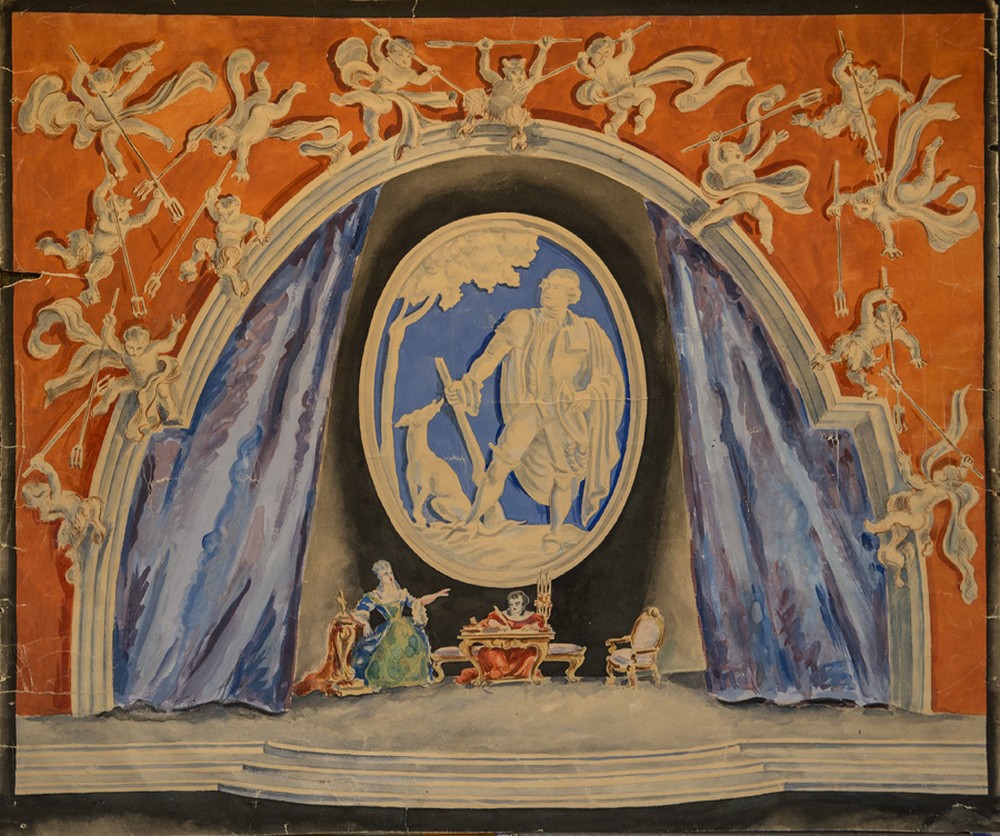
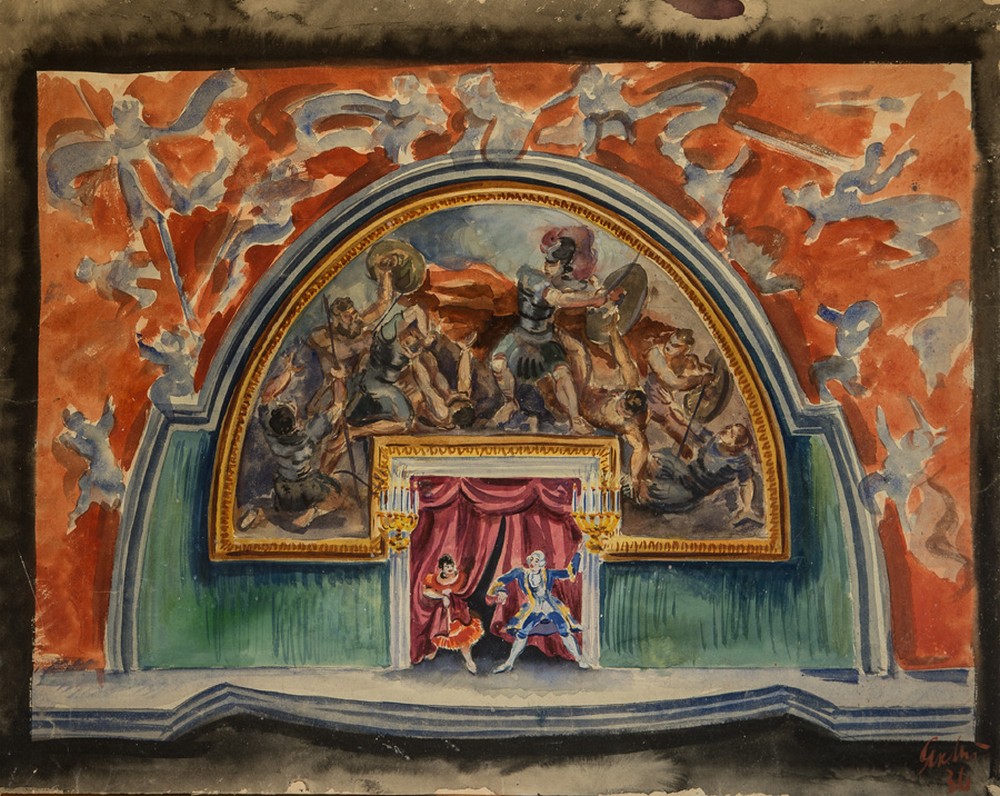
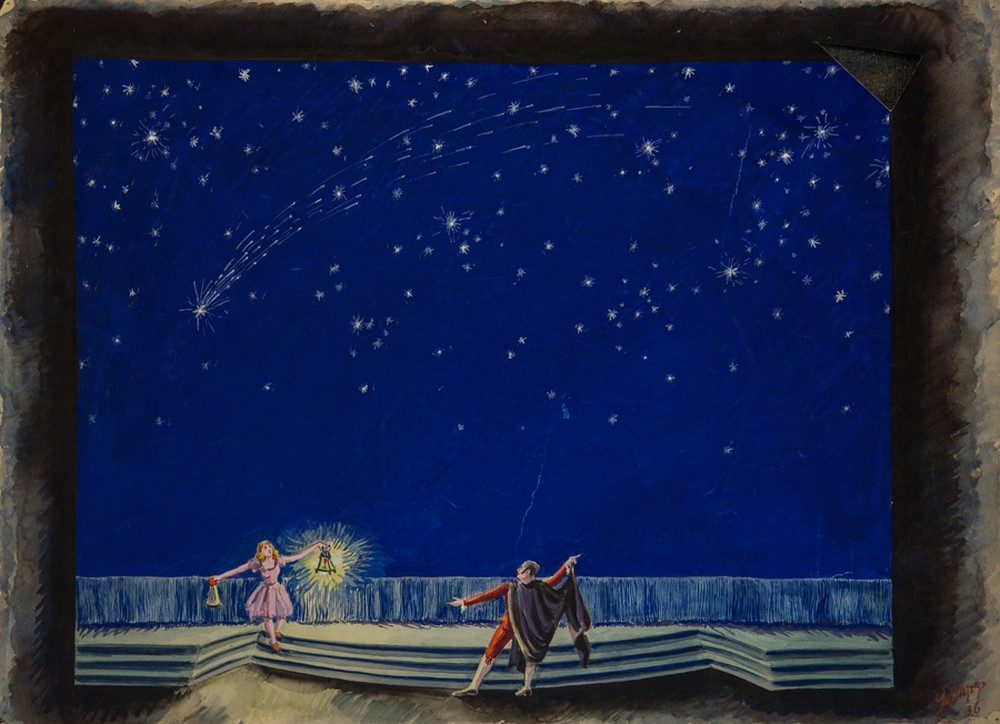
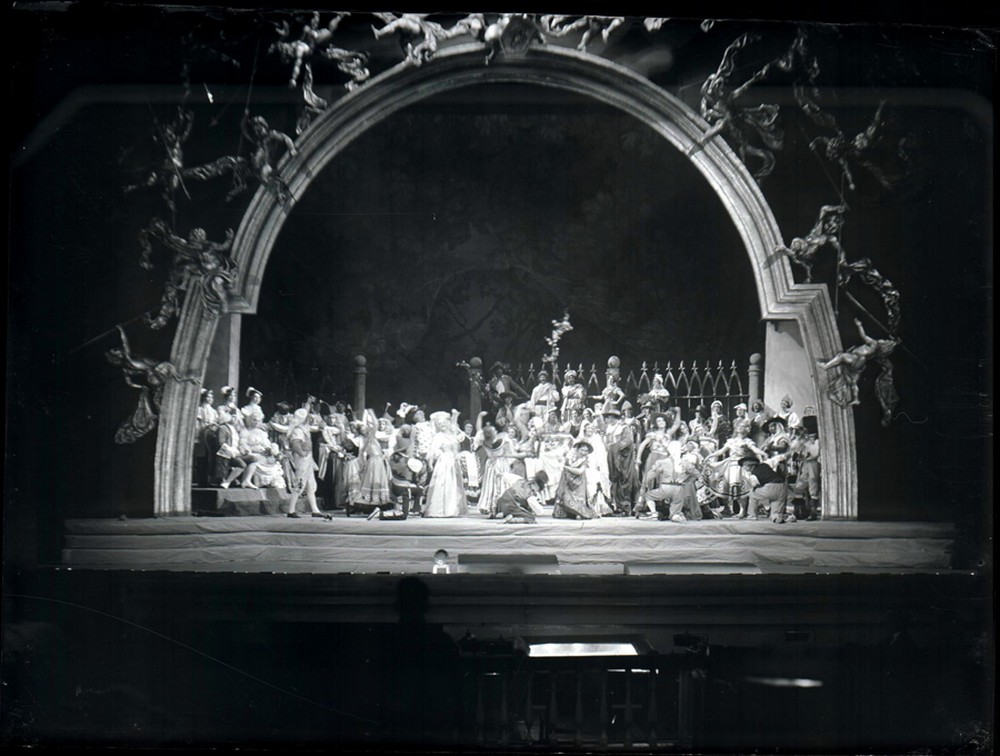
<i>The Marriage of Figaro</i>, 1936