
02.10.2017
Exhibits from Mikhailovsky Theatre on display in London
On 30 September, a major exhibition entitled ‘Opera: Passion, Power and Politics’ opens at the Victoria and Albert Museum in London. One of the exhibition’s sections will showcase items from the Mikhailovsky Theatre.
The exhibition explores opera’s 400-year history through the lens of seven premières in seven European cities. Each section presents a specific stage in the development of the genre and discusses the political context in which the era’s landmark work was created. One of the featured premières is Shostakovich’s Lady Macbeth of Mtsensk. According to the curator, Shostakovich’s masterpiece reflects the life of an artist faced with totalitarianism and strict boundaries imposed on art by the state.
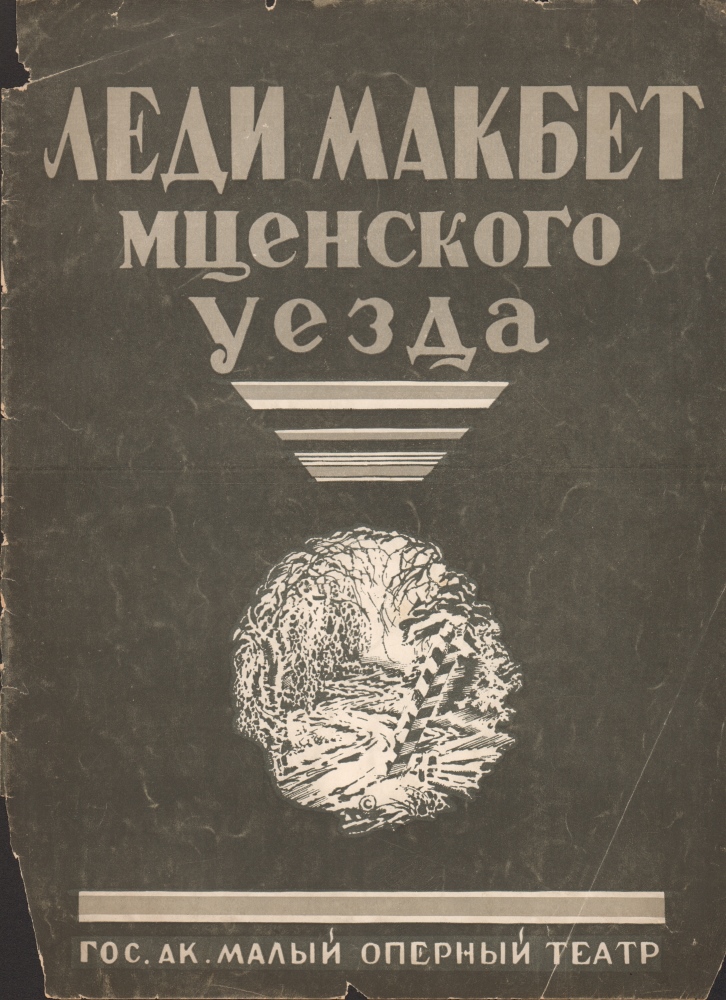
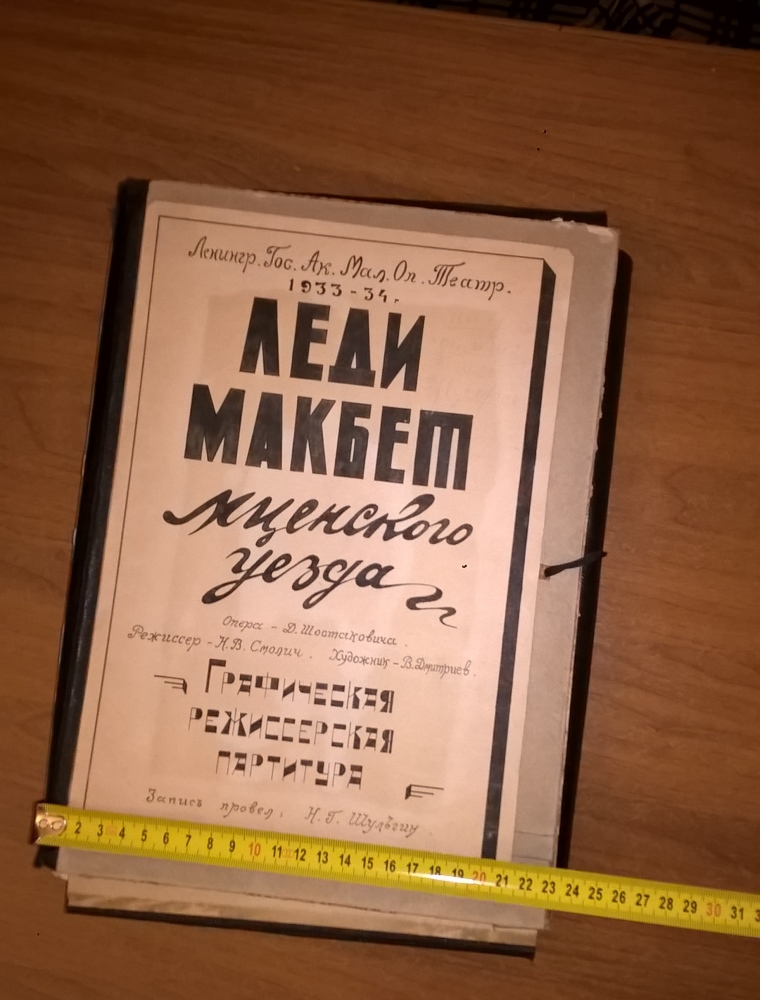
Lady Macbeth of Mtsensk was written in 1932. On loan from the Mikhailovsky Theatre are exhibits relating to the opera’s world première at the Maly Opera Theatre in January 1934. Shostakovich’s groundbreaking opera suffered a tragic fate when, two years after the première, it came to the attention of Joseph Stalin. The opera was subsequently lambasted, branded «anti-people» in an article published in the newspaper Pravda under the headline ‘Muddle Instead of Music’, while Shostakovich himself was accused of formalism. After this, Lady Macbeth of Mtsensk was excluded from the repertoire of theatres right across the Soviet Union until the 1960s.
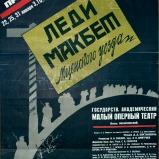
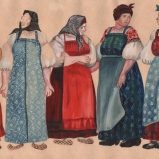
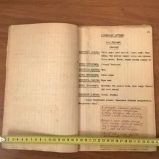
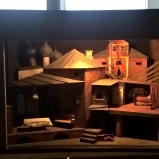
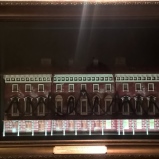
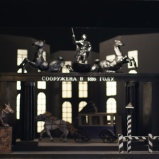
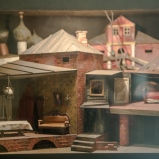
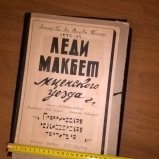
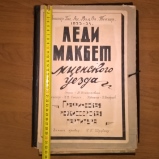
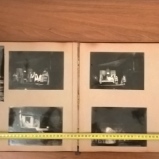
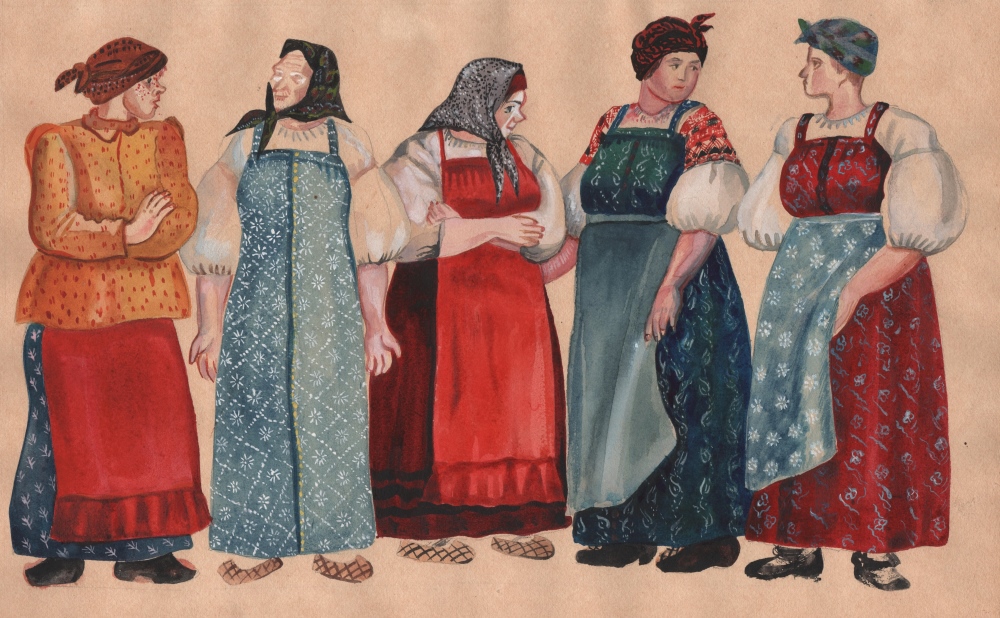
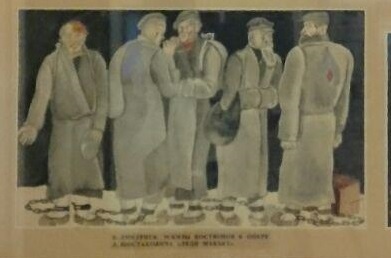
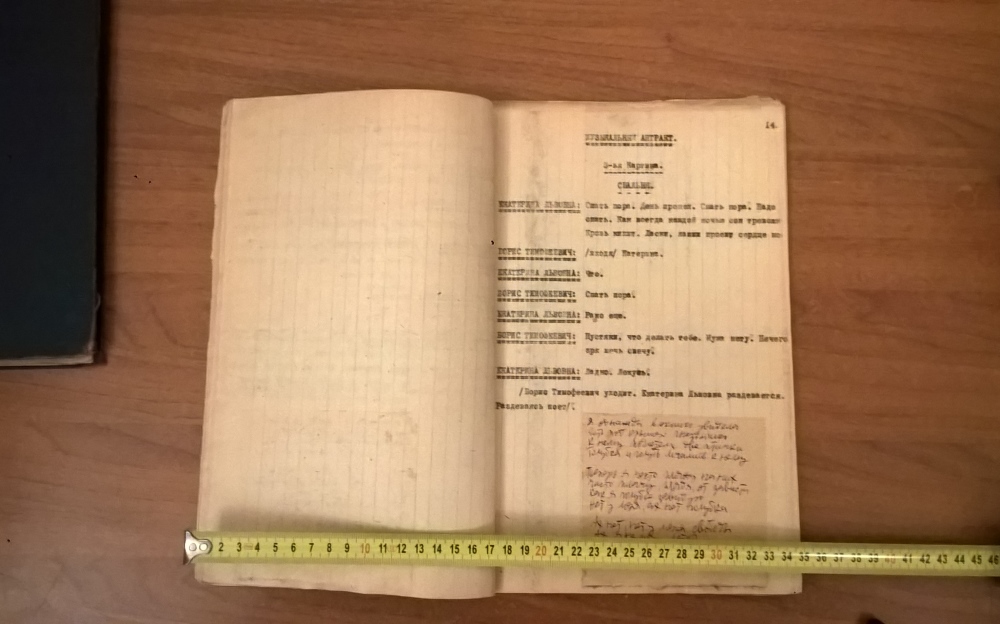
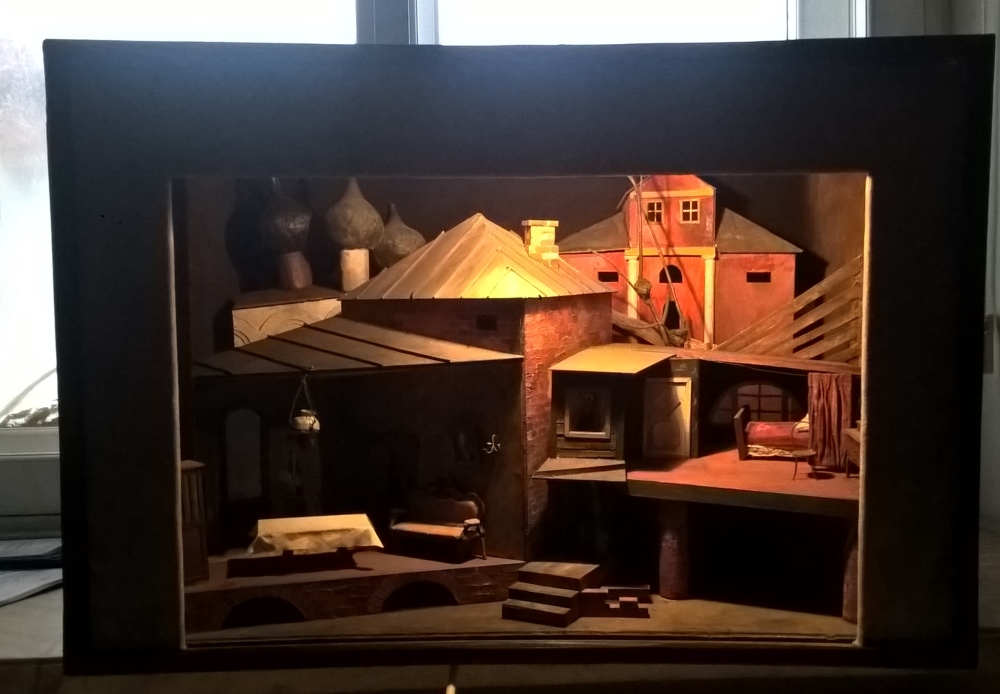
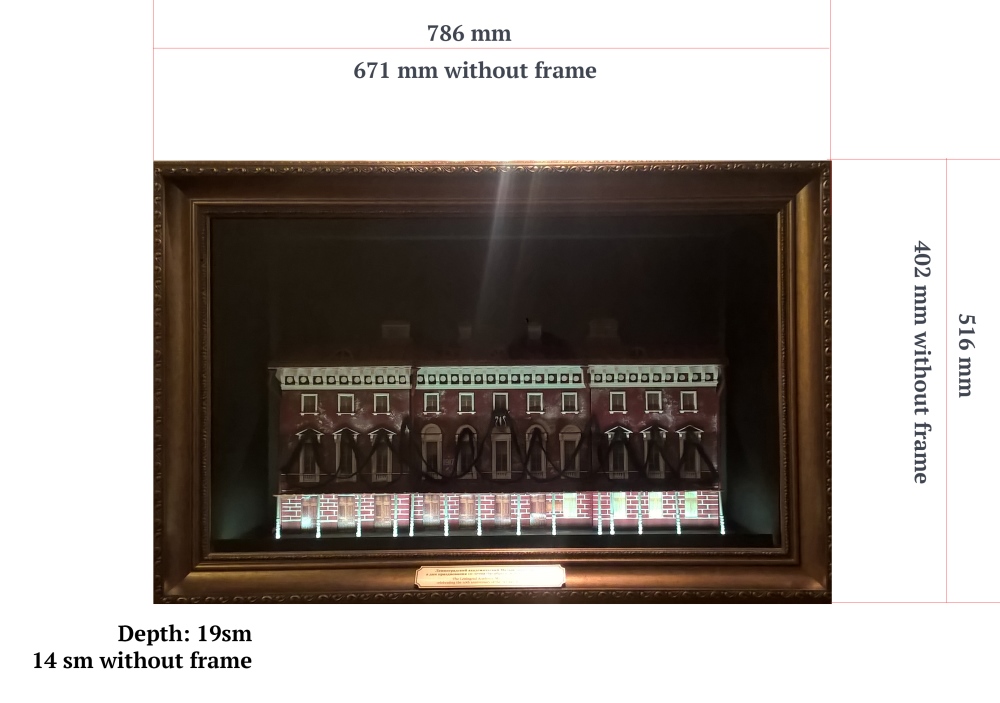
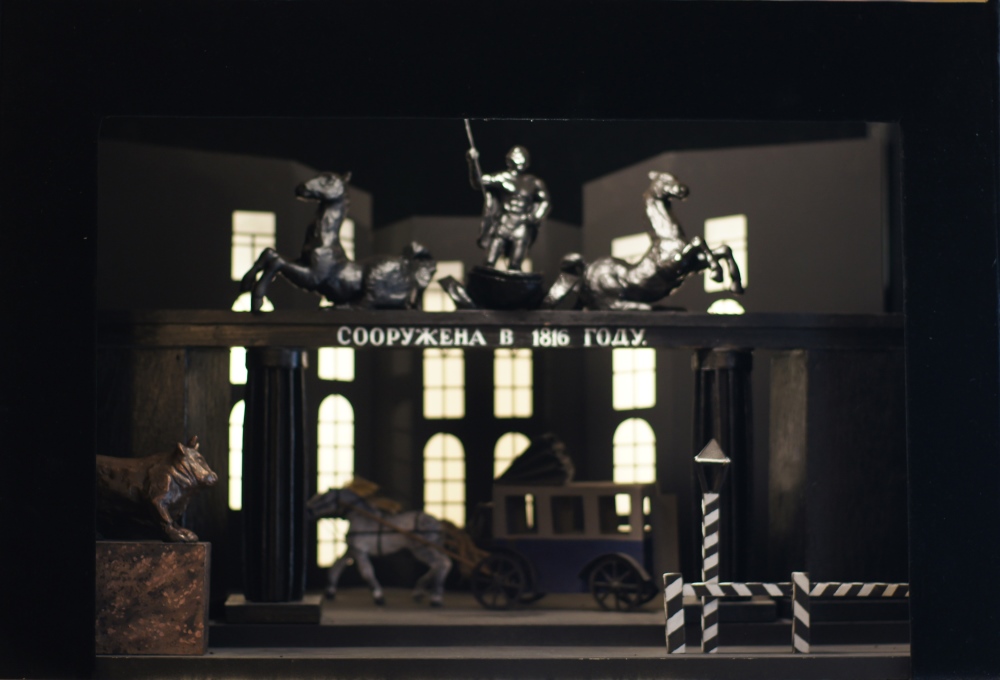
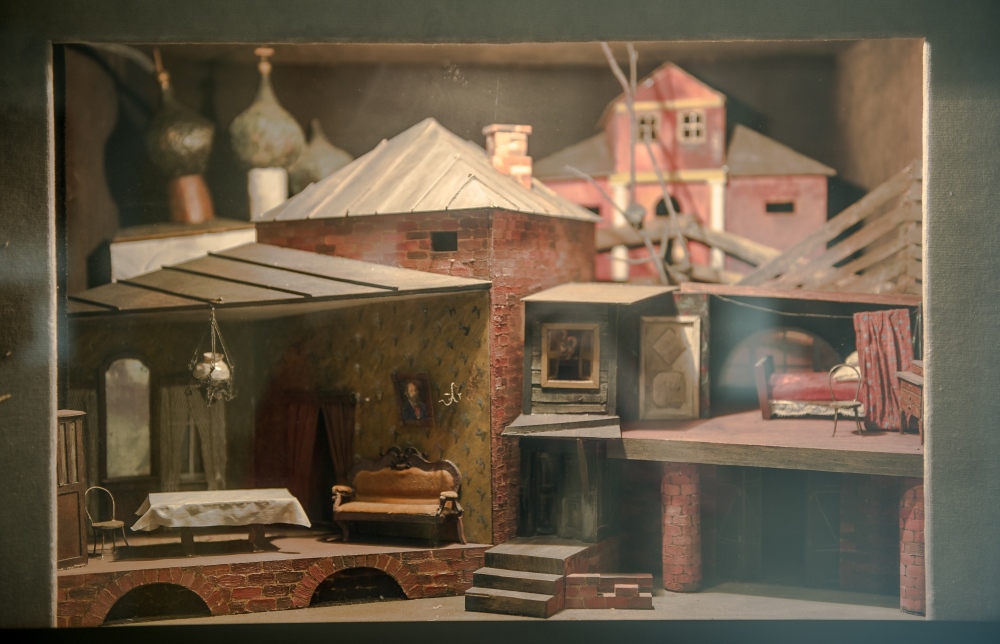
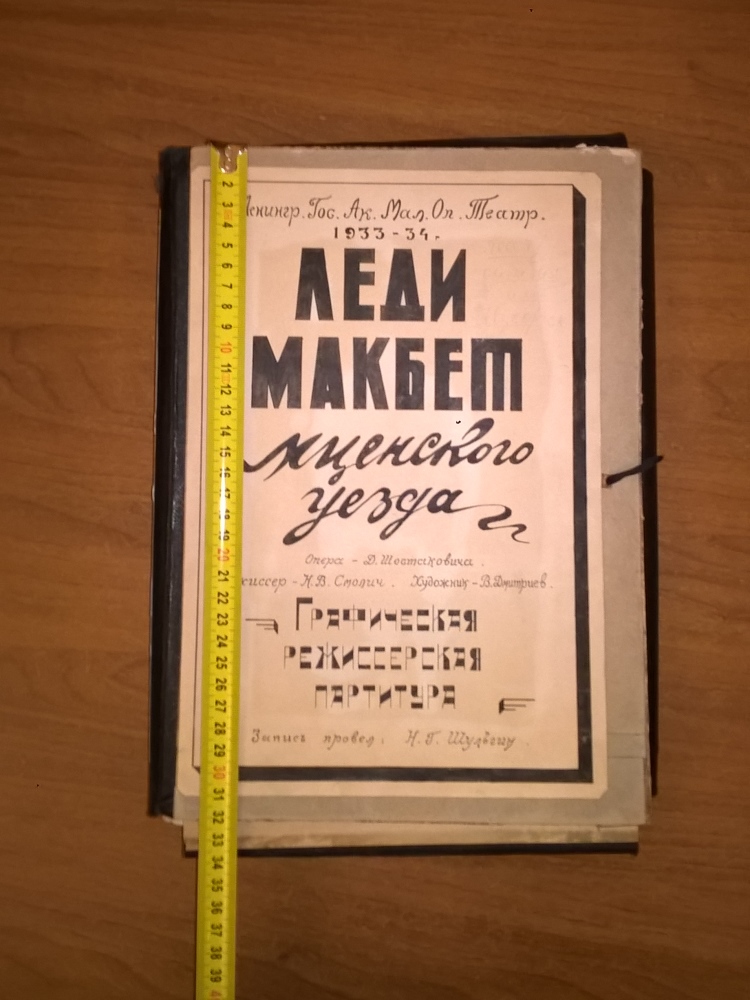
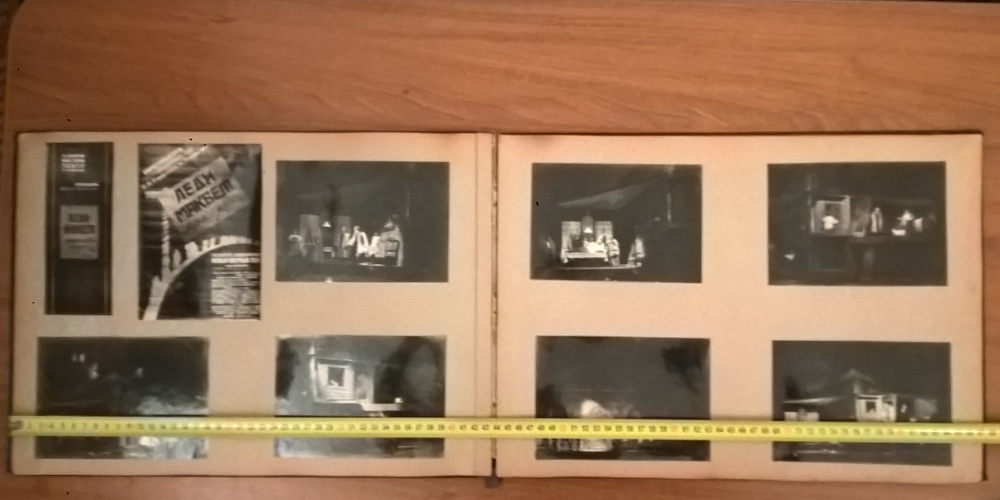
The Mikhailovsky Theatre has contributed nine exhibits to the London exhibition, including a typewritten libretto, a model of the set, posters and costume designs by the artist Vladimir Dmitriev, and an album of photographs from the world première. The exhibition also features a model of the set for Shostakovich’s eponymous opera The Nose, which ran at the Maly Opera Theatre in the early 1930s, as well as a model of the theatre itself.
Items for the exhibition’s Shostakovich section were also provided by the St. Petersburg State Museum of Theatre and Music, the Archive of Dmitri Shostakovich, the Russian State Film and Photo Archive, the State Museum of the History of St. Petersburg, and the Tretyakov Gallery.
Curator of the exhibition Kate Bailey has observed that opera as a medium has always responded to the events of the day, made use of new technologies, and pushed boundaries. In an interview with RIA Novosti, she said that the project had been keenly followed in Russia since its conception, noting that: «The Mikhailovsky Theatre in St. Petersburg loaned us all sorts of things for this exhibition: from costume designs to staging models and photographs. The St. Petersburg State Museum of Theatre and Music has given us everything they have related to Shostakovich’s ballet The Bolt, and the Tretyakov Gallery agreed to loan us paintings by Pavel Filonov and Kuzma Petrov-Vodkin.»
In addition to Shostakovich’s Leningrad première, the exhibition will also explore the premières of: Monteverdi’s L’Incoronazione di Poppea (Venice, 1642), Handel’s Rinaldo (London, 1711), Mozart’s Le Nozze di Figaro (Vienna, 1786), Verdi’s Nabucco (Milan, 1842), Wagner’s Tannhäuser (Paris, 1861), and Strauss’s Salome (Dresden, 1905).
The exhibition will run until 25 February 2018. It is hoped that it might one day be shown in Russia and the curators are already in talks with several museums across the country.
The exhibition explores opera’s 400-year history through the lens of seven premières in seven European cities. Each section presents a specific stage in the development of the genre and discusses the political context in which the era’s landmark work was created. One of the featured premières is Shostakovich’s Lady Macbeth of Mtsensk. According to the curator, Shostakovich’s masterpiece reflects the life of an artist faced with totalitarianism and strict boundaries imposed on art by the state.
Lady Macbeth of Mtsensk was written in 1932. On loan from the Mikhailovsky Theatre are exhibits relating to the opera’s world première at the Maly Opera Theatre in January 1934. Shostakovich’s groundbreaking opera suffered a tragic fate when, two years after the première, it came to the attention of Joseph Stalin. The opera was subsequently lambasted, branded «anti-people» in an article published in the newspaper Pravda under the headline ‘Muddle Instead of Music’, while Shostakovich himself was accused of formalism. After this, Lady Macbeth of Mtsensk was excluded from the repertoire of theatres right across the Soviet Union until the 1960s.
The Mikhailovsky Theatre has contributed nine exhibits to the London exhibition, including a typewritten libretto, a model of the set, posters and costume designs by the artist Vladimir Dmitriev, and an album of photographs from the world première. The exhibition also features a model of the set for Shostakovich’s eponymous opera The Nose, which ran at the Maly Opera Theatre in the early 1930s, as well as a model of the theatre itself.
Items for the exhibition’s Shostakovich section were also provided by the St. Petersburg State Museum of Theatre and Music, the Archive of Dmitri Shostakovich, the Russian State Film and Photo Archive, the State Museum of the History of St. Petersburg, and the Tretyakov Gallery.
Curator of the exhibition Kate Bailey has observed that opera as a medium has always responded to the events of the day, made use of new technologies, and pushed boundaries. In an interview with RIA Novosti, she said that the project had been keenly followed in Russia since its conception, noting that: «The Mikhailovsky Theatre in St. Petersburg loaned us all sorts of things for this exhibition: from costume designs to staging models and photographs. The St. Petersburg State Museum of Theatre and Music has given us everything they have related to Shostakovich’s ballet The Bolt, and the Tretyakov Gallery agreed to loan us paintings by Pavel Filonov and Kuzma Petrov-Vodkin.»
In addition to Shostakovich’s Leningrad première, the exhibition will also explore the premières of: Monteverdi’s L’Incoronazione di Poppea (Venice, 1642), Handel’s Rinaldo (London, 1711), Mozart’s Le Nozze di Figaro (Vienna, 1786), Verdi’s Nabucco (Milan, 1842), Wagner’s Tannhäuser (Paris, 1861), and Strauss’s Salome (Dresden, 1905).
The exhibition will run until 25 February 2018. It is hoped that it might one day be shown in Russia and the curators are already in talks with several museums across the country.

Exhibits from Mikhailovsky Theatre on display in London