
18.07.2016
A season of firsts: Anna Kuligina
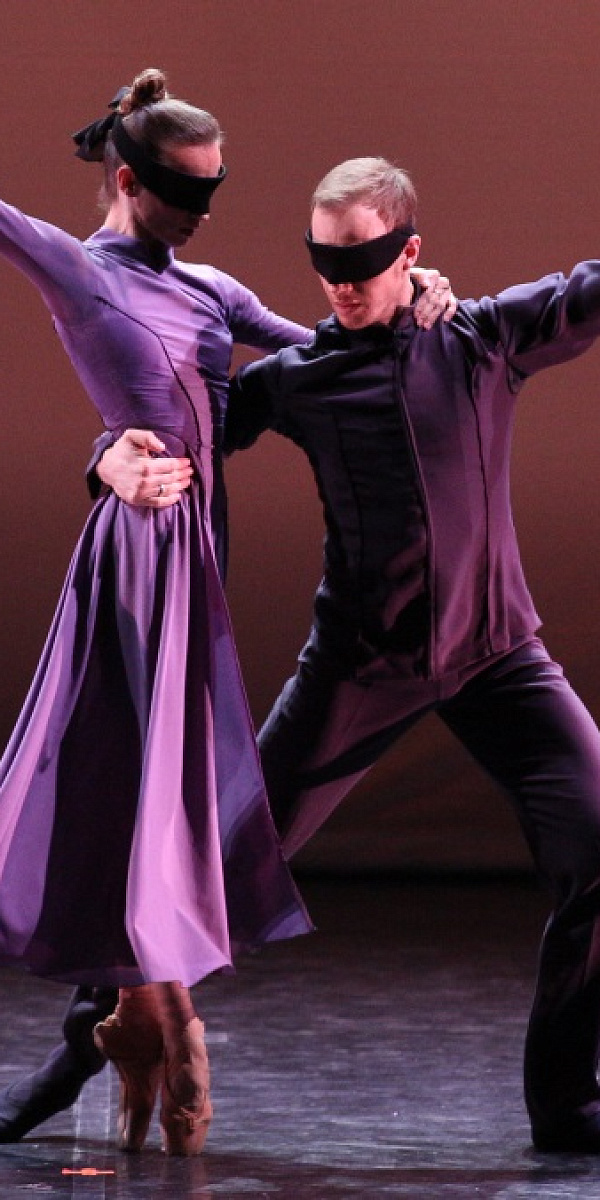
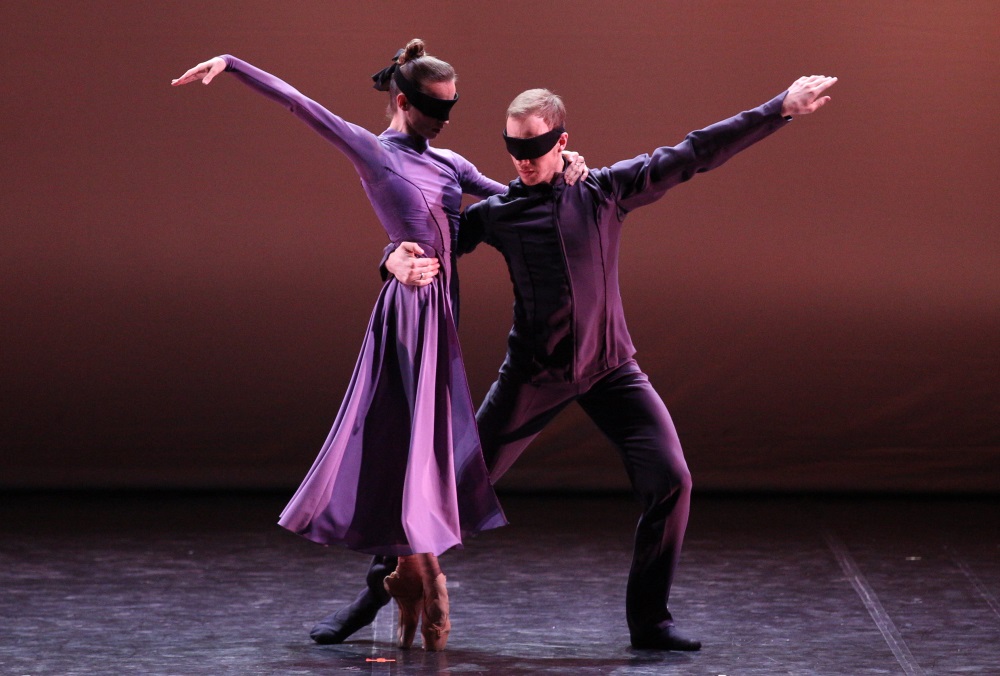
Anna Kuligina has been a regular fixture in new productions this season. In April she danced in the premieres of Ivan Vasiliev’s Blind Affair and Morphine, and in May she took on the lead role in a ballet based on Pushkin’s poem The Bronze Horseman.
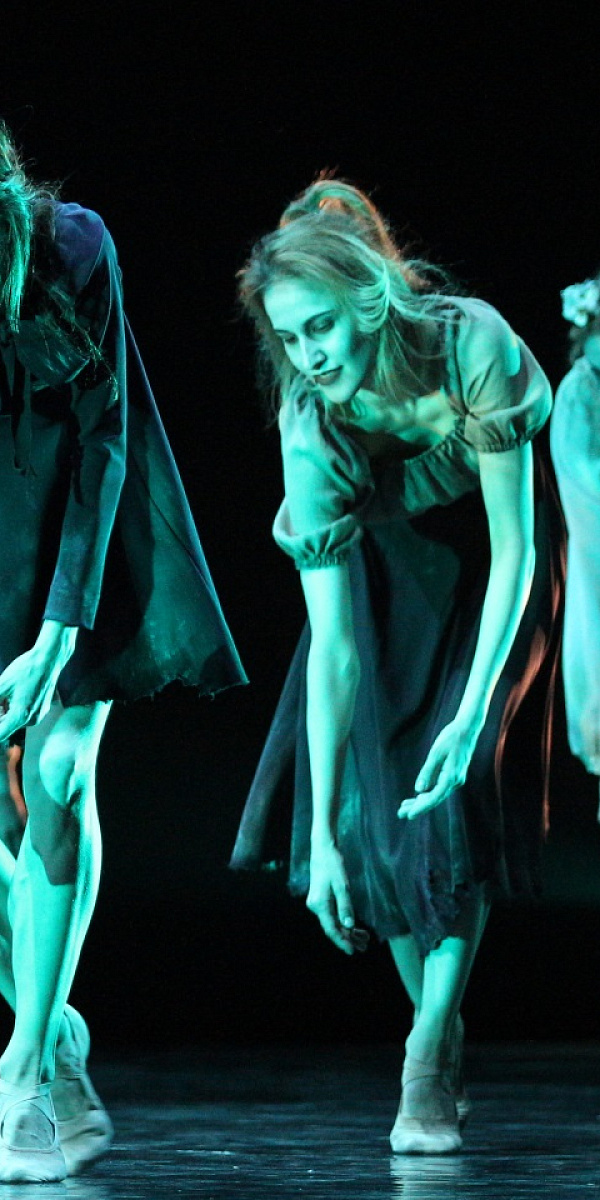
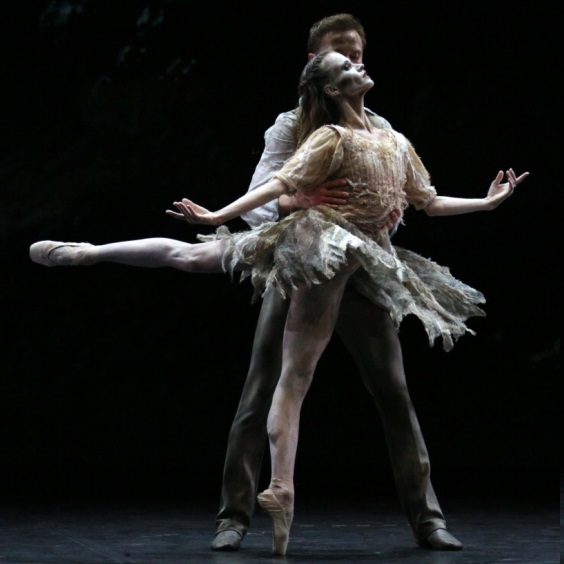
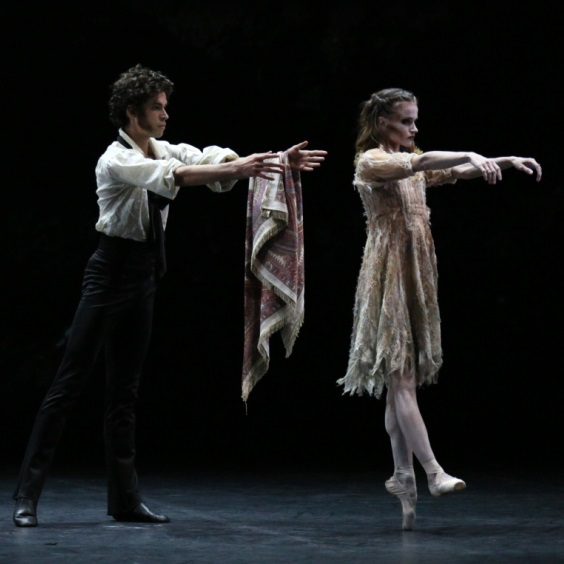
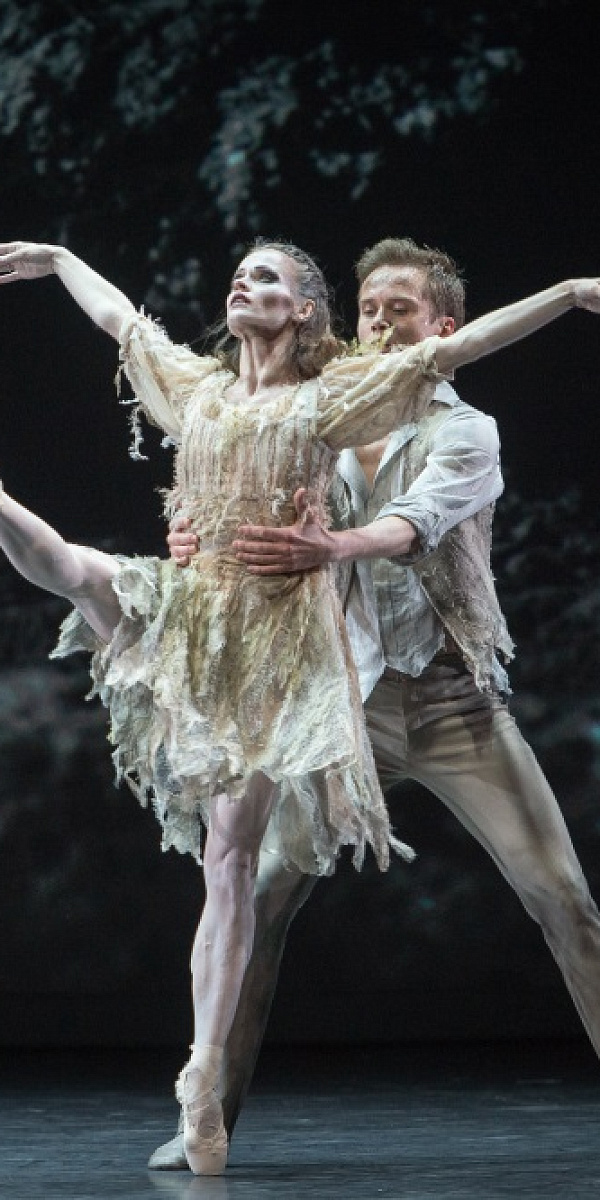
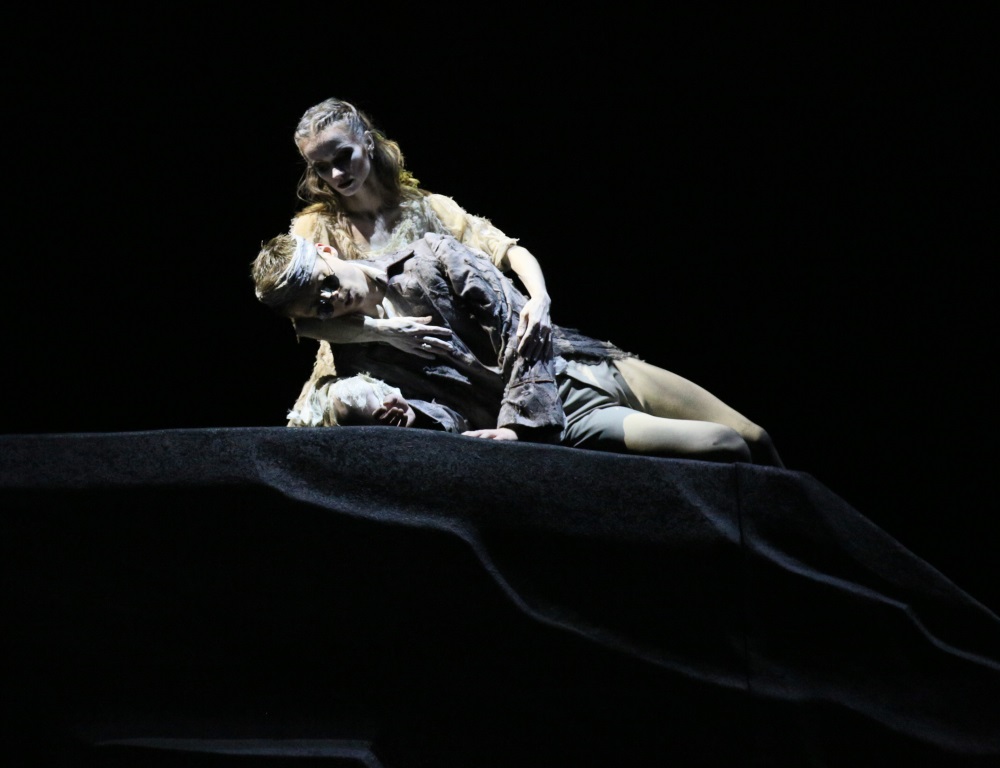
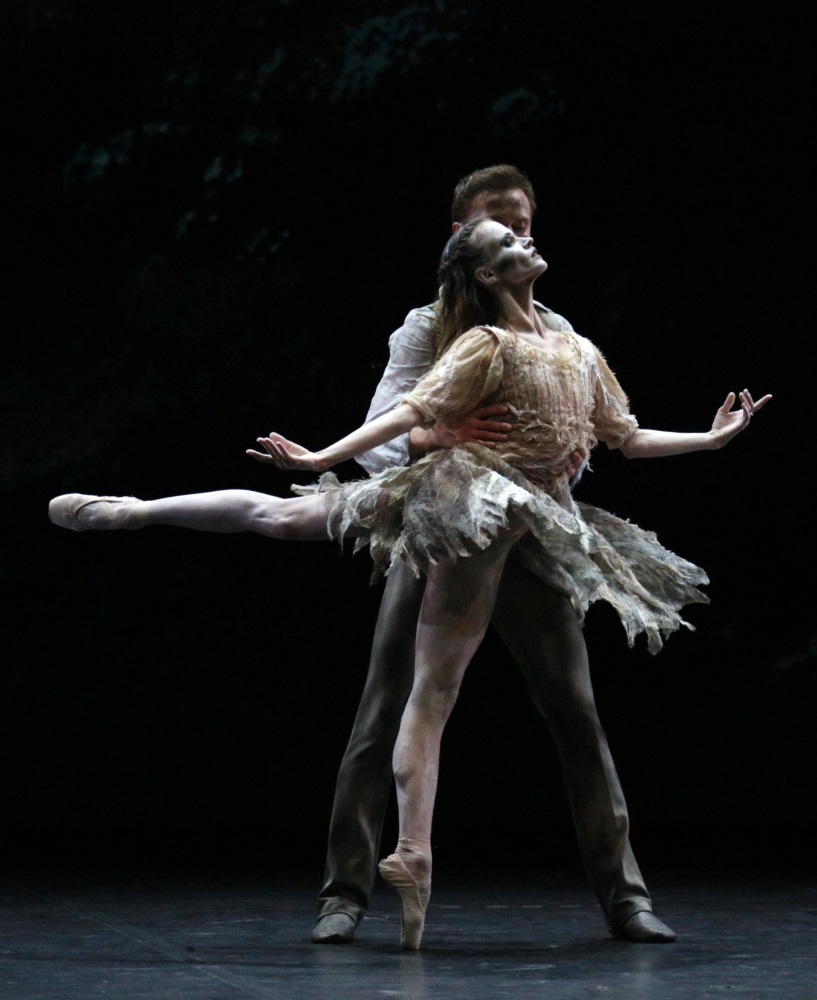
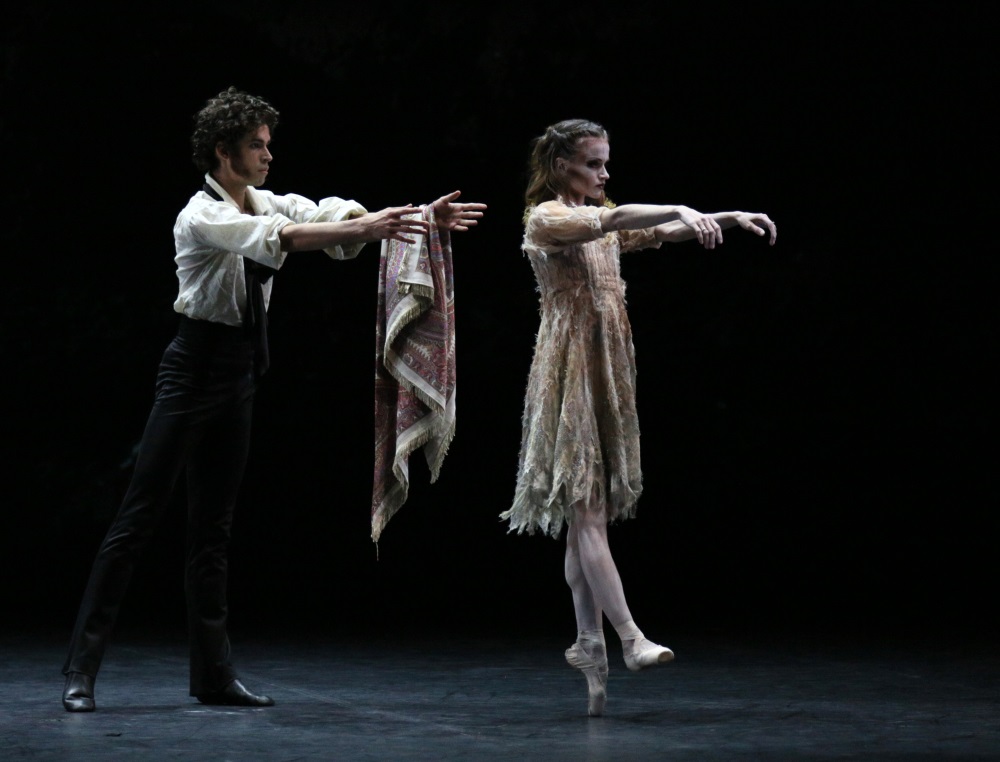
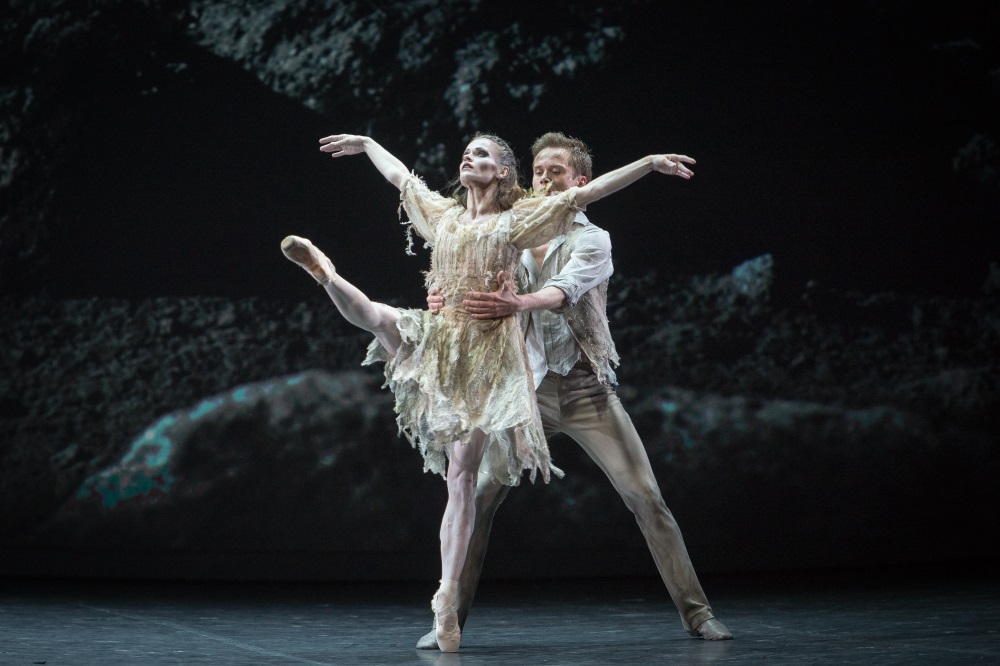
“My most important first was dancing the role of Parasha in this Pushkin-themed ballet,” said Kuligina. "It was fascinating to work so closely with the choreographer, to understand his objectives, his vision, and to directly adopt from him the deep feelings and emotions that he poured into the production. Lar Lubovitch showed me video recordings of parts of the finished choreography, and said I could put my own stamp on it. He believes that it’s important for the dancer to get into the character’s head, and this helped me open up. I see Parasha as a young girl in love and willing to sacrifice all she has for love — she is a very human character, at least in the first act. In the second, she is quite different — detached and unearthly. She is no longer a girl, but an abstraction. Surprisingly, the second act is easier to dance — the smile is gone, and you can just focus on the choreography and technical aspects. I was focused on one thing alone, and it was almost as if I didn’t drain my energy. It was more challenging to play a human character.
"I did not expect to be dancing Parasha at every premiere performance. My dance partners Leonid Sarafanov and Mario Labrador also stayed on for the whole run. And we held up as a team. There was one day when we had to perform twice: morning and evening. Come the third or fourth performance, we had found our second wind. I think at that moment something just clicked for me about my character, and my whole body became at one with her. Clearly, spending so much time in rehearsal halls brought me to the point where I could think of this role as my own. I developed a love for the character.
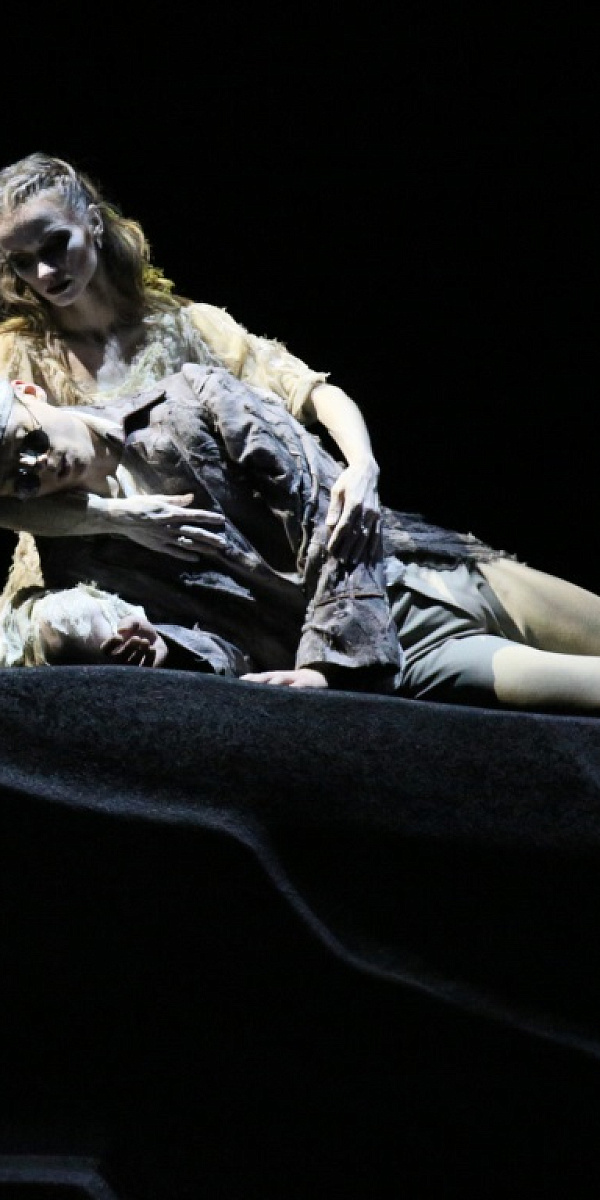
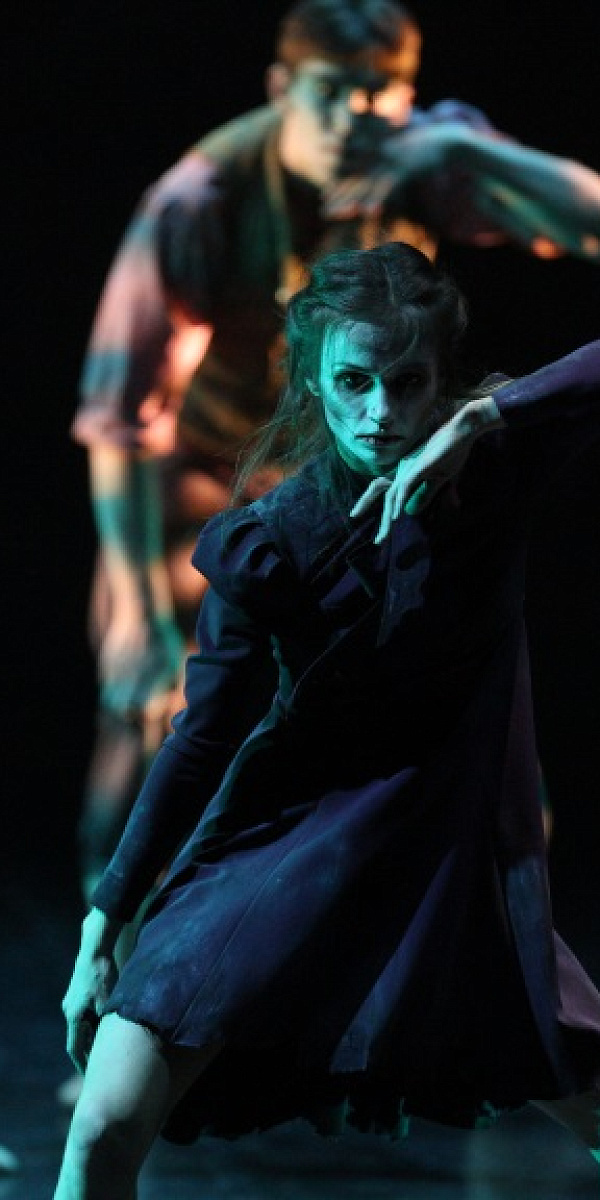
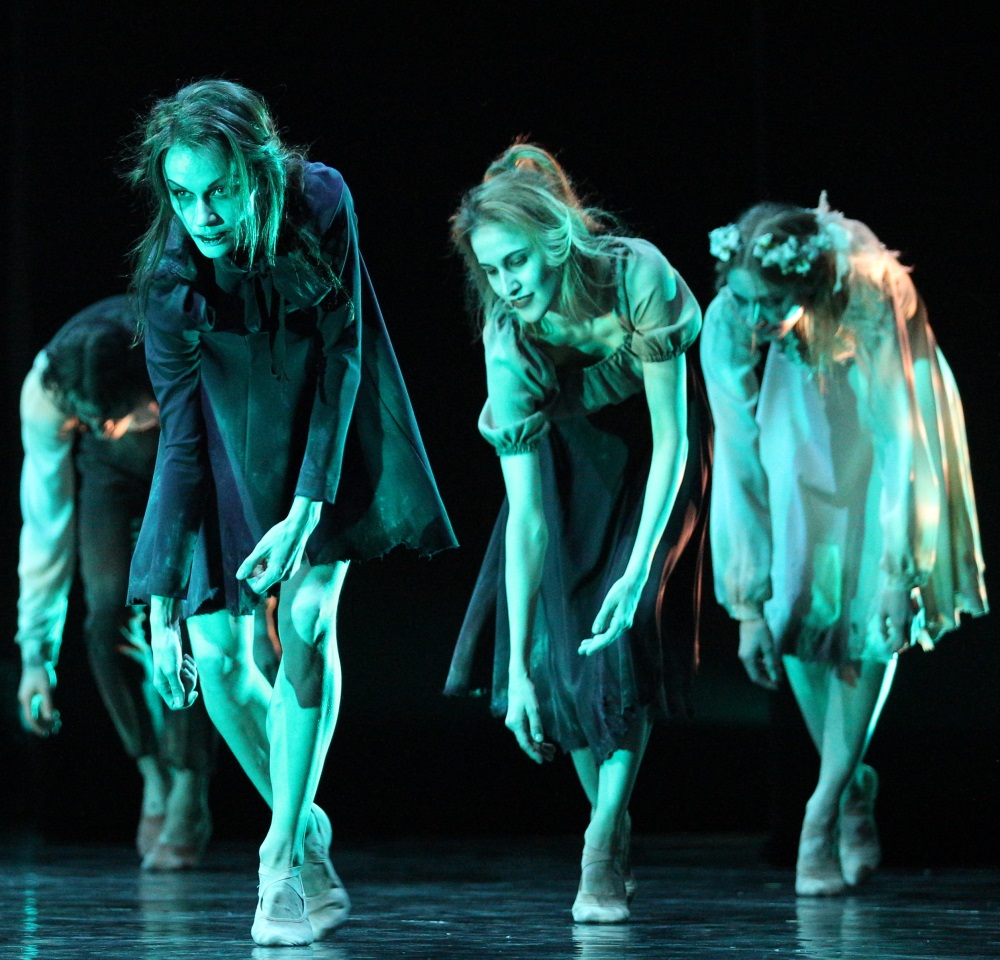
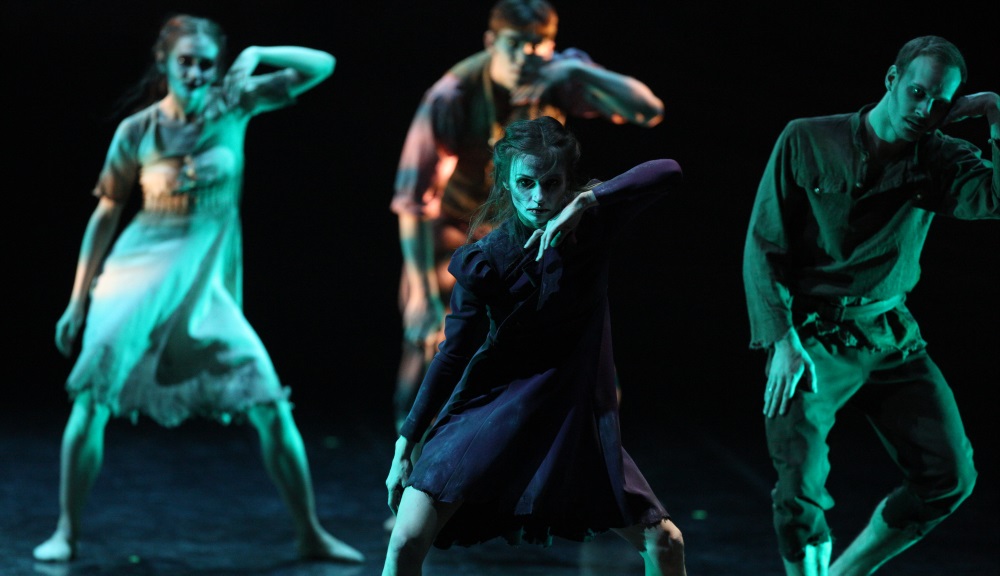
"It was interesting to work with Ivan Vasiliev on his single-act ballets. It was a totally new experience; the props were new, the costumes were new, even the stage was new to me — the ballet premiered at the Hermitage Theatre. We saw another side to Ivan as a choreographer. He created the production with us specifically in mind, taking into account our individual strengths, and talked to us as equals. I was involved in two ballets, Blind Affair and Morphine. Interestingly, there was something about my character’s zombie make-up in Morphine that was reminiscent of Parasha in Lar Lubovitch’s ballet. The others joked that it was a look that just shifted from one ballet to the next.
"Another interesting first for me was related to increasing the number of cygnets in Swan Lake. I’ve basically been dancing the four cygnets since my premiere in 2009. But even at that time, Mikhail Messerer had shown us his idea of including Alexander Gorsky’s dance for six swans into the production, so we already knew about it. This year we happened to have some new petite girls in our company, so Mikhail decided to give it a go. First we alternated between four and six swans on different nights, but now we only dance Gorsky’s version. His choreography is more complex. Lining up perfectly is one of the most challenging feats in ballet. With four dancing it’s difficult, but with six it’s even harder. All six ballerinas need to act as one and have an intuitive understanding of each other. If someone makes a mistake, it affects everybody because we hold hands during the dance. The secret to success here is really all about hard work.
“Someday, I’d like to dance Giselle. When I graduated from ballet school, I didn’t really understand her. Perhaps I was too young and didn’t go deep enough into the plot, but I just couldn’t understand the main character’s feelings. And I always thought it strange to act out fits on stage. But now I feel very close to her. She’s got that same lightness and youthfulness, mixed with a bit of quirkiness. It would be great to work on that ballet and see how I’d manage the scene depicting the fit of grief. There’s a lot in there and it would take some serious work.
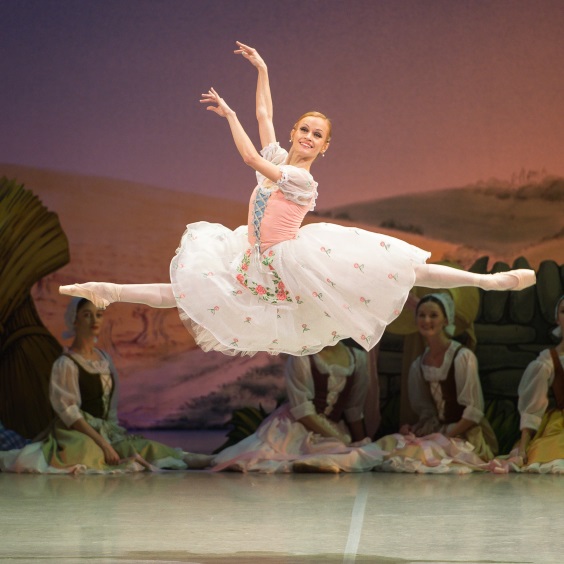
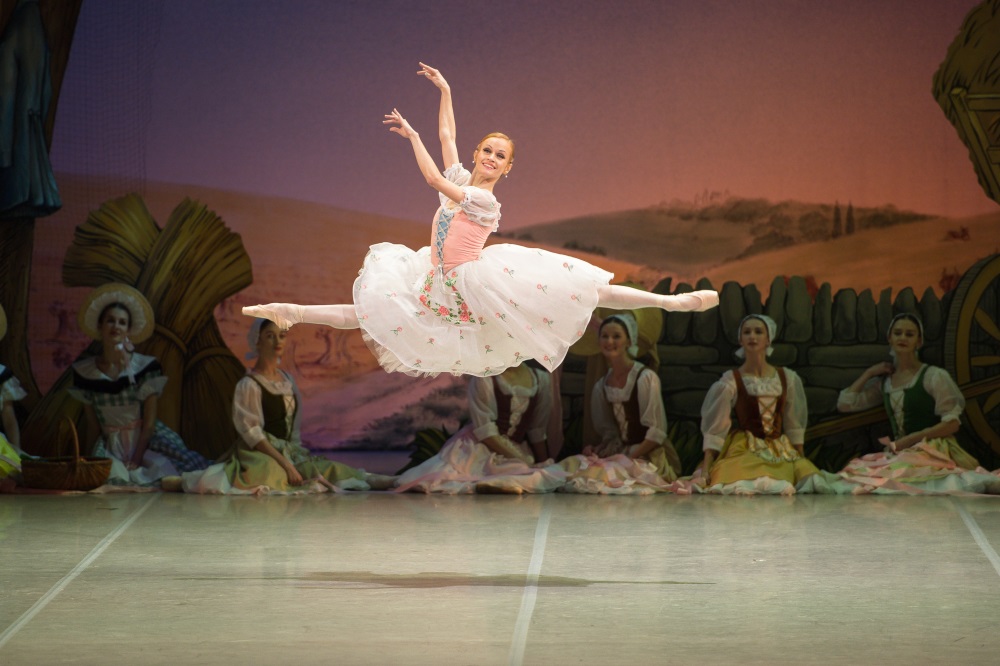
“I always want to be on the search for something, discovering new sides of myself and testing them out. I don’t want to stick to the same kinds of roles. I want to be versatile. That way, you experience more emotions and can grow. You absorb something new from each ballet, and each part you dance gives you something new to build on. I mean, any experience has great value, from major roles down to little Cupid, who I dance in Don Quixote. I feel very close to that character. Lise from La Fille mal gardée is somewhat similar, too — a prancing little mischief maker.”
“My most important first was dancing the role of Parasha in this Pushkin-themed ballet,” said Kuligina. "It was fascinating to work so closely with the choreographer, to understand his objectives, his vision, and to directly adopt from him the deep feelings and emotions that he poured into the production. Lar Lubovitch showed me video recordings of parts of the finished choreography, and said I could put my own stamp on it. He believes that it’s important for the dancer to get into the character’s head, and this helped me open up. I see Parasha as a young girl in love and willing to sacrifice all she has for love — she is a very human character, at least in the first act. In the second, she is quite different — detached and unearthly. She is no longer a girl, but an abstraction. Surprisingly, the second act is easier to dance — the smile is gone, and you can just focus on the choreography and technical aspects. I was focused on one thing alone, and it was almost as if I didn’t drain my energy. It was more challenging to play a human character.
"I did not expect to be dancing Parasha at every premiere performance. My dance partners Leonid Sarafanov and Mario Labrador also stayed on for the whole run. And we held up as a team. There was one day when we had to perform twice: morning and evening. Come the third or fourth performance, we had found our second wind. I think at that moment something just clicked for me about my character, and my whole body became at one with her. Clearly, spending so much time in rehearsal halls brought me to the point where I could think of this role as my own. I developed a love for the character.
"It was interesting to work with Ivan Vasiliev on his single-act ballets. It was a totally new experience; the props were new, the costumes were new, even the stage was new to me — the ballet premiered at the Hermitage Theatre. We saw another side to Ivan as a choreographer. He created the production with us specifically in mind, taking into account our individual strengths, and talked to us as equals. I was involved in two ballets, Blind Affair and Morphine. Interestingly, there was something about my character’s zombie make-up in Morphine that was reminiscent of Parasha in Lar Lubovitch’s ballet. The others joked that it was a look that just shifted from one ballet to the next.
"Another interesting first for me was related to increasing the number of cygnets in Swan Lake. I’ve basically been dancing the four cygnets since my premiere in 2009. But even at that time, Mikhail Messerer had shown us his idea of including Alexander Gorsky’s dance for six swans into the production, so we already knew about it. This year we happened to have some new petite girls in our company, so Mikhail decided to give it a go. First we alternated between four and six swans on different nights, but now we only dance Gorsky’s version. His choreography is more complex. Lining up perfectly is one of the most challenging feats in ballet. With four dancing it’s difficult, but with six it’s even harder. All six ballerinas need to act as one and have an intuitive understanding of each other. If someone makes a mistake, it affects everybody because we hold hands during the dance. The secret to success here is really all about hard work.
“Someday, I’d like to dance Giselle. When I graduated from ballet school, I didn’t really understand her. Perhaps I was too young and didn’t go deep enough into the plot, but I just couldn’t understand the main character’s feelings. And I always thought it strange to act out fits on stage. But now I feel very close to her. She’s got that same lightness and youthfulness, mixed with a bit of quirkiness. It would be great to work on that ballet and see how I’d manage the scene depicting the fit of grief. There’s a lot in there and it would take some serious work.
“I always want to be on the search for something, discovering new sides of myself and testing them out. I don’t want to stick to the same kinds of roles. I want to be versatile. That way, you experience more emotions and can grow. You absorb something new from each ballet, and each part you dance gives you something new to build on. I mean, any experience has great value, from major roles down to little Cupid, who I dance in Don Quixote. I feel very close to that character. Lise from La Fille mal gardée is somewhat similar, too — a prancing little mischief maker.”
A season of firsts: Anna Kuligina